


Once you understand the building blocks of flavor, you’ll never look at cooking the same way. But what exactly is flavor, and how can you better understand it? In this extensive guide post, we’re gonna break down what flavor is and what flavor profiles are: how to find them, how to build them, and everything you need to know about working with them at home.
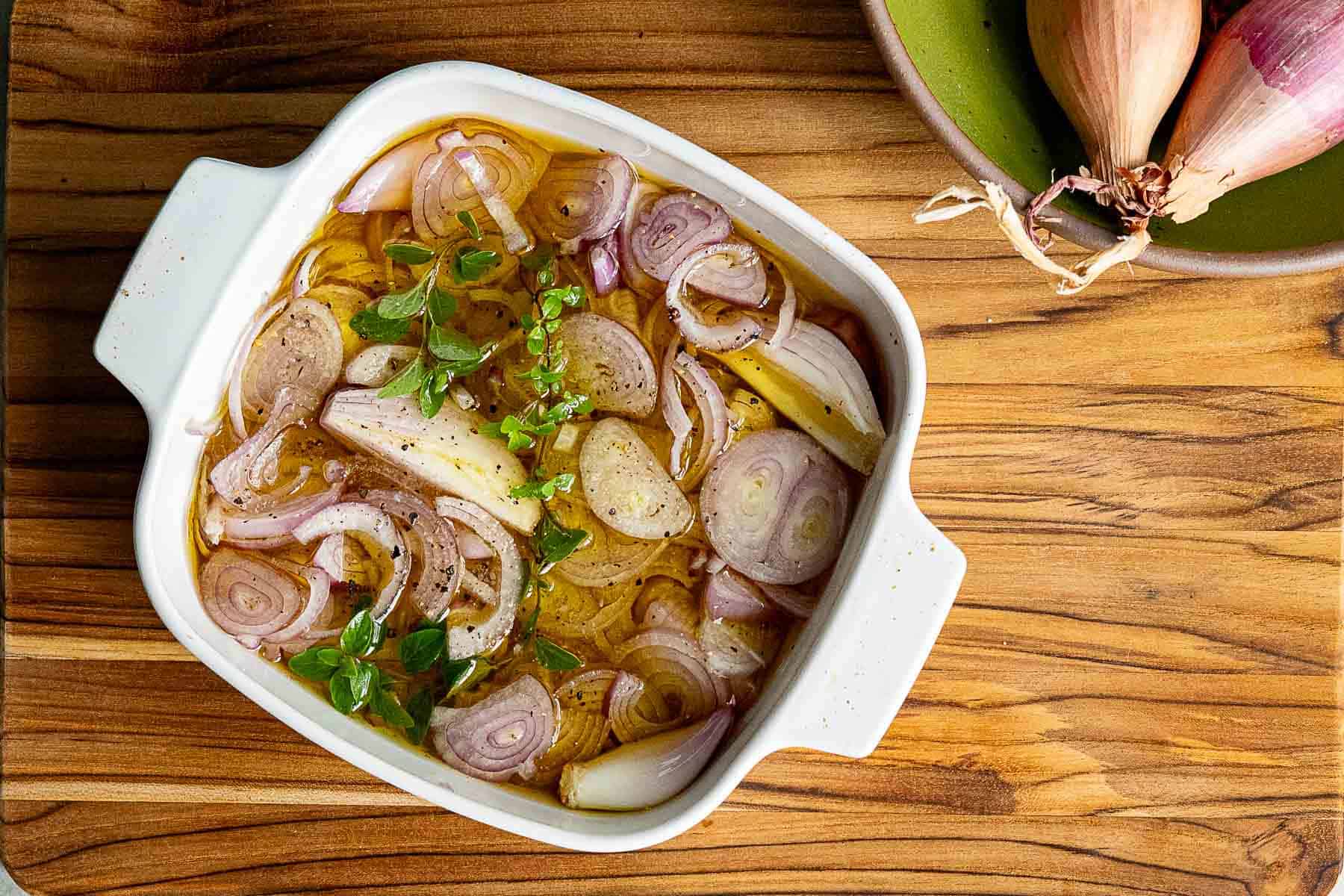
Ever wonder why restaurant food tastes so much better than what you make at home? Or why your grandma’s sauce hits different even before you’ve had your first taste? We’re gonna cover the ins and outs of how we perceive and experience flavor so that you know, without a shadow of a doubt, how to confidently create food and beverages that taste exactly how you want them to taste: satisfying, rich, delicious, and worth going back to again and again.
After years of recipe development, I developed the six Flavor Factors, which help to explain how flavors work together so that you can become a more intuitive, creative, and confident cook at home. Confession? I used to skip adding salt to baked goods. 🫣 I had a weird phobia of high blood pressure thanks to a dodgy attraction at Epcot in Disney world (anyone else with Body Wars trauma out there??) and I also always lessened the sugar in recipes, too.
It wasn’t until I went to culinary school that I learned salt is in desserts because it helps to highlight and balance flavors. Yes, even in sweet things and in drinks, too! If you’ve ever enjoyed a salted caramel candy, or a perfectly balanced margarita, you know what I’m talking about!
👩🏻🍳 working with recipes and flavor
Ironically, even though I’m a food blogger and recipe developer, I believe recipes are more like a guideline than a literal step-by-step roadmap to follow exactly. Sure, having a recipe to follow is super helpful and an excellent place to start. But once you understand how flavor works, you’ll start to see recipes less as an explicit must-follow format and more like a guideline or outline.
In her book Salt, Fat, Acid, Heat, Samin Nosrat wrote that chef Judy Rogers once said, “Recipes do not make food taste good; people do.” Cooking isn’t just about following instructions; it’s about understanding flavor so you can award yourself creative freedom as you’re cooking.
Knowing how flavor works will help you become a more intuitive cook, which is a skill that so many folks today tend to admire from their elder family members who seldom wrote a recipe down and just seem to know exactly what to put in something to make it taste good.
flavor defined
Since we’re staring with the building blocks of taste, it’s only fair that we begin with the meaning of flavor itself:
1: the quality of something that affects the sense of taste
example: “The rich flavor of hearty baked pasta dish.”
2: a particular type of taste
example: “My favorite flavor of iced coffee.”
3: a good or appealing taste
example: “The salad dressing is full of flavor.”
🆚 flavor vs. flavor profile
Flavor is a result of combining elements like taste, smell texture, appearance, and temperature.
A flavor profile is the unique combined type of flavor than a food or drink has.
A good way to remember it is that a flavor profile contains flavors. When someone describes a food as salty or sweet, they’re talking about flavor. When someone describes food as “balanced” or “complex,” they’re talking about its flavor profile, or how all those elements come together to create a specific taste.
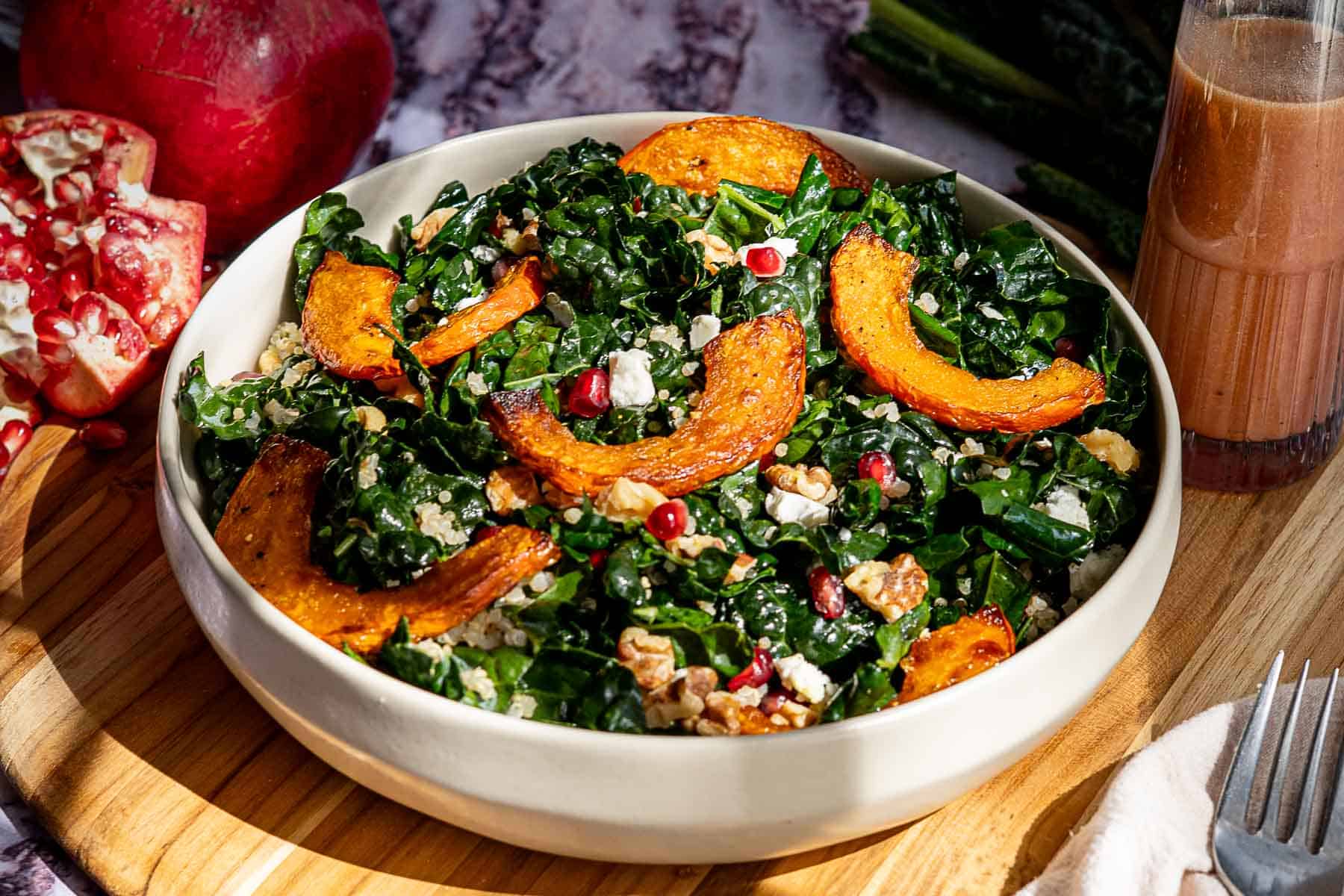
👋 meet the flavor factors framework
Okay, now that we’ve defined the basics, I wanna quickly introduce you to the Flavor Factors Framework; six key elements that help you diagnose what’s missing when something tastes “off” or just kinda…blah.
🍋 the pop
This is your brightness! The Pop comes from acids like lemon juice, vinegar, or fresh herbs. It’s what makes food taste fresh and lively instead of flat and heavy. Read the FULL GUIDE on The Pop!
ingredients to add brightness
- Citrus: lemons, limes, orange zest
- Vinegars: red wine, white wine, apple cider, balsamic, rice vinegar, sherry vinegar
- Fresh herbs: parsley, cilantro, basil, mint, dill
- Fermented foods: pickles, sauerkraut, kimchi
🙌 the oomph
The Oomph adds depth and savory richness. Think parmesan, soy sauce, miso paste, or those delicious browned bits at the bottom of your pan. This is your flavor powerhouse!
ingredients for adding depth + richness
- Umami bombs: soy sauce, fish sauce, miso paste, Worcestershire sauce
- Aged or cured ingredients: parmesan cheese, aged cheddar, anchovies
- Tomato products: tomato paste, sun-dried tomatoes, tomato powder
- Dried mushrooms: porcini, shiitake
- Fats: butter, cream, and oils
- Whole food fats: avocado, nuts, tahini, coconut milk
⚖️ the balancing act
This ensures all five tastes work in harmony. Not too salty, not too sweet, not too sour. The Balancing Act is about tasting as you go and adjusting until everything feels right.
ingredients for harmonizing tastes
- Salts: kosher salt, sea salt, flaky finishing salt
- Sweeteners: sugar, honey, maple syrup, agave
- Heat: hot sauce, chili flakes, fresh chilies
🌟 the wow, mom!
This makes food visually appealing with garnishes, color, and presentation. It’s that final drizzle, that sprinkle of flaky salt, that pop of fresh herbs that makes your dish Instagram-worthy!
ingredients for stunning presentations
- Fresh herbs & flowers: mint, rosemary, pansies, nasturtiums, and violets!
- Dried fruits & veggies: freeze dried or dehydrated ingredients like lime wheels, starfruit slices, and seasonal citrus
- Finishing salts: flaky sea salt, flavored salts, or infused salts
- Drizzles: balsamic glaze, herb oil, honey, tahini
🤌 the intrigue
The Intrigue creates texture contrast and interest. Like crispy toppings on creamy soups, or crunchy nuts on soft roasted vegetables. This is what keeps you coming back bite after bite!
ingredients for adding texture
- Crunchy toppings: nuts, seeds, panko, crispy shallots
- Fresh elements: raw vegetables, fresh herbs
- Creamy additions: sour cream, yogurt, crème fraîche, cream cheese, ricotta
💗 the feels
The Feels taps into nostalgia and emotion, making food memorable and comforting. This is about cooking with tender love and care, and adding ingredients that remind you of good memories or special moments.
ingredients for upping feeling
- Nostalgia-driven flavors: candy, cookies, and extracts
- Family favorites: ingredients specific to your unique heritage up the feeling-factor!
🧐 how we experience flavor
Lots of folks tend to think that flavor is only associated with the sense of taste, but actually it goes much deeper than that. The way we experience flavor uses all of our senses, including smell, sight, touch, and yeah, even your emotions too!
I can confirm firsthand that the dopamine driven rush that you get from a sweet treat when you’re not feeling your best definitely impacts how good it tastes. 😅 Here’s the lowdown on the senses and how they relate to flavor:
👅 taste
Flavor Factors at play: The Pop, The Oomph, The Balancing Act, The Feels
the five basic tastes
The sense of taste encompasses five basic components. They mix and mingle to create unique experiences in every recipe.
- sweet – from sugars, fruits, and naturally sweet vegetables like carrots, certain types of squash, and corn.
- salty – from salt itself or cured foods like certain meats and cheeses.
- sour – from acids like citrus, vinegar, and fermented foods
- bitter – from dark greens, certain fruits, coffee, and chocolate.
- umami – that savory, almost meaty depth of flavor from ingredients like mushrooms, parmesan, soy sauce, and tomatoes.
Most memorable recipes use a combination of at least 2-3 of these tastes to create unique flavor profiles!
Wanna save this recipe for later? 📬

👃 aroma
Flavor Factors at play: The Pop (bright, fresh aromas), The Oomph (deep, rich aromas), The Feels (nostalgic scent-based memories)
A huge portion of what we think of as “taste” actually comes from the sense of smell. 🤯 That’s why when you’re sick with a stuffy nose, you can’t taste things as well. Pungent ingredients like fresh garlic, onion, and herbs help to play up the scent of foods which helps make flavor bolder.
Think of the words and phrases that a sommelier would use: earthy, tannic, chalky, fruity, or floral.
These all describe how something smells, and subsequently how they taste as well. Its why floral recipes are so intriguing. How do you possibly describe the sensation of eating or drinking a rose?!


✋ texture, mouthfeel, + temperature
Flavor Factors at play: The Intrigue, The Wow, Mom!
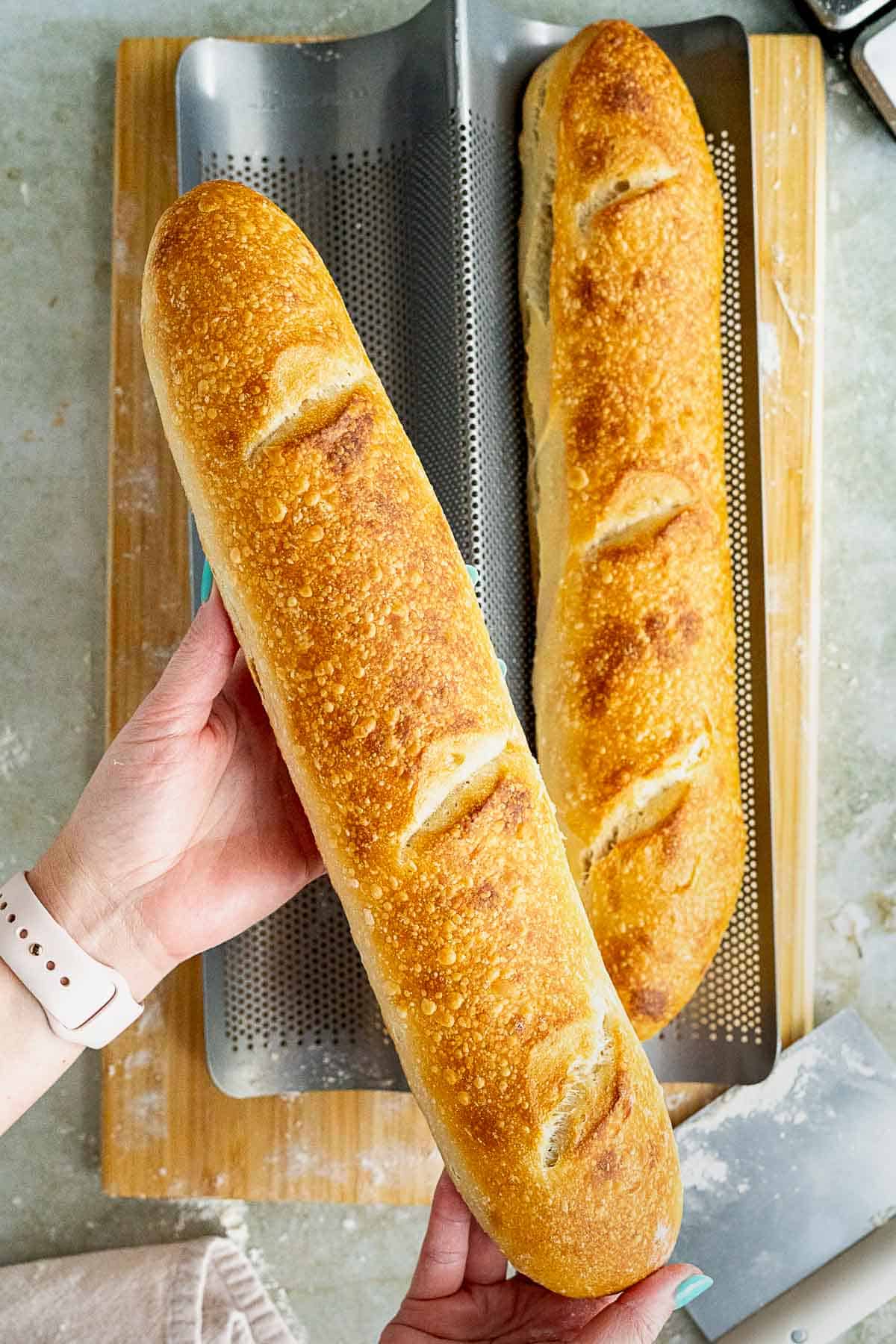
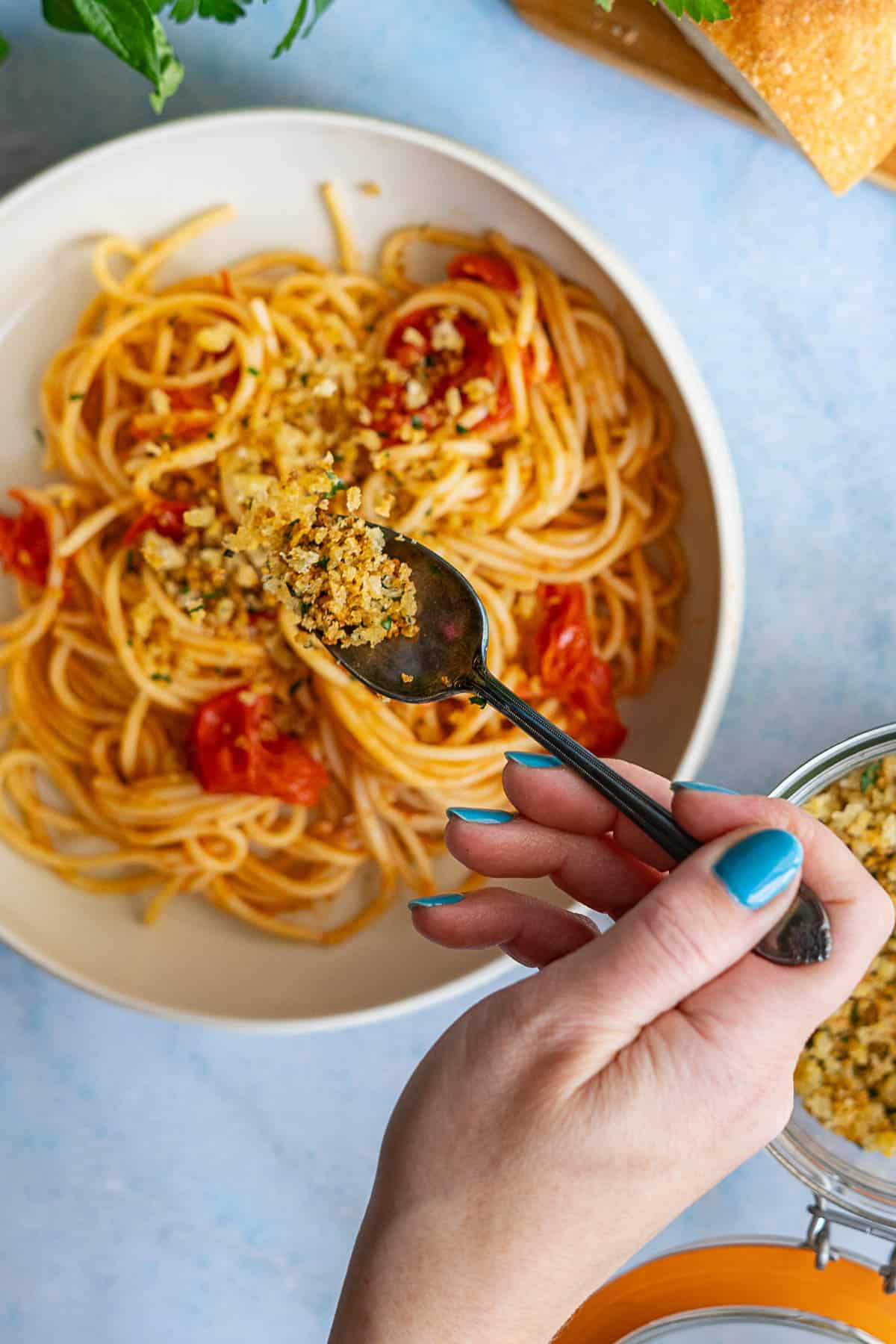
The physical sensation of food matters so much! Crispy fried chicken vs. tender oven-roasted chicken. Crunchy breadcrumbs on top of creamy macaroni and cheese. Smooth gelato vs. icy crystals of Italian granita.
Contrast in texture makes dishes way more interesting to eat. It’s why that final sprinkle of toasted nuts or fresh herbs can totally transform a dish!
Temperature also affects how we perceive flavor, too! Hot soup feels comforting. Cold gazpacho feels refreshing. Certain flavors, like sweetness, are more pronounced or impactful when foods are hot or cold.


👀 visual appeal
Flavor Factors at play: The Wow, Mom!
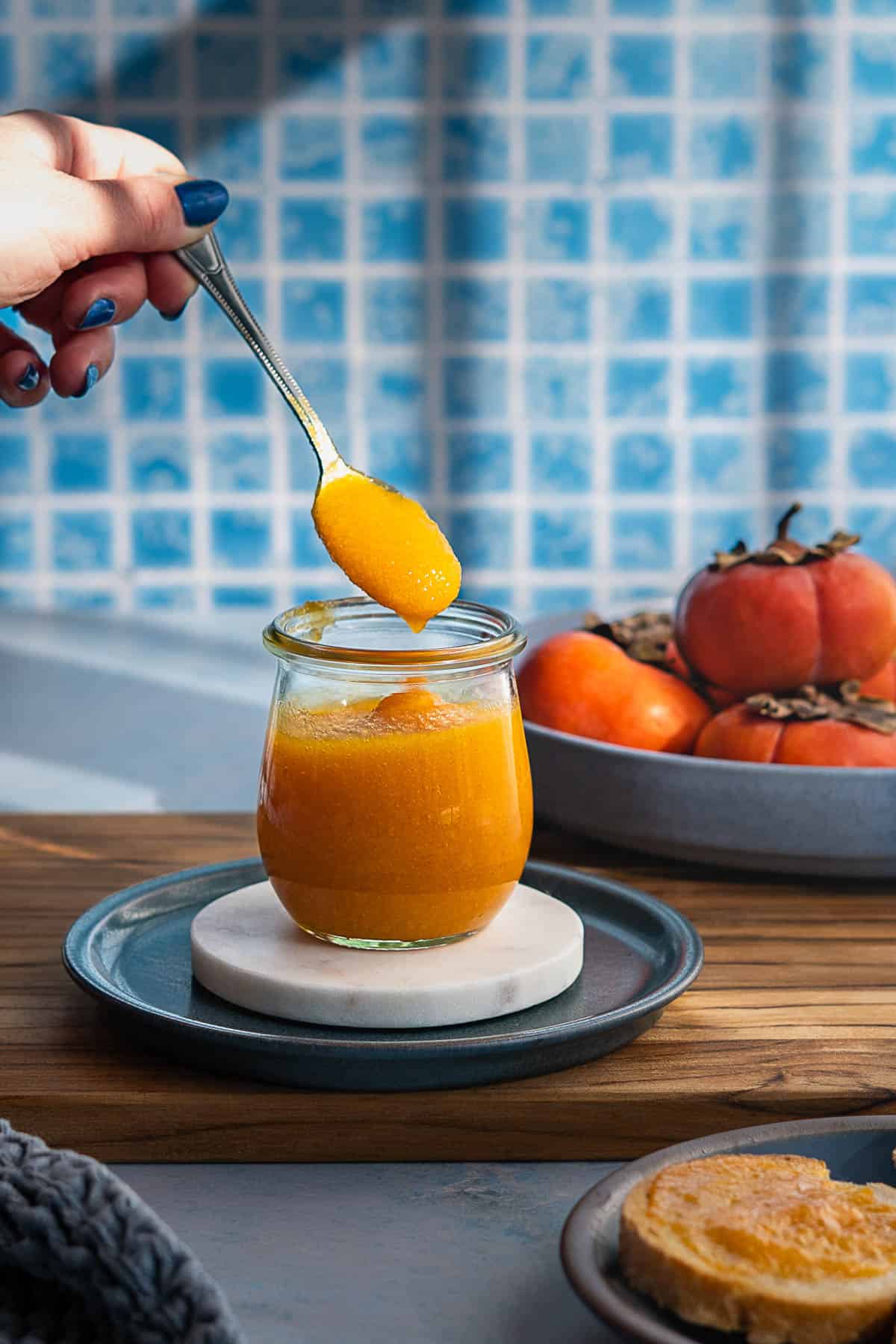
The physical appearance of food is closely tied to expectation and experience! That’s why chefs and restaurants put so much thought into garnishes.
A drizzle of good olive oil, a sprinkle of flaky salt, some fresh herbs, or a pop of color.
These finishing touches aren’t just visually appealing, they actually make food taste better because they set up our minds for a delicious experience.

💗 feeling
Flavor Factors at play: The Feels
Food is emotional, there’s no getting around it! The reason your grandma’s meatballs taste better than anyone else’s isn’t just technique, it’s memory, comfort, and YES, it’s love baked right in.
In my humble opinion, this is the most underrated factor in cooking. The way a single bite can take you back to your childhood in an instant.
It’s the joy of sinking your teeth into your favorite theme park snack from the comfort of your own home. You just gotta FEEL it to know it.


👯♀️ flavor pairing principles that actually work
After testing hundreds of recipes, I’ve learned these principles create the most delicious results:
🎛️ contrast & complement
Great dishes often pair opposites to create excitement:
- sweet + salty. Salted caramel, prosciutto and melon.
- rich + acidic. Steak with chimichurri sauce, fish and chips with malt vinegar.
- spicy + cooling. Hot wings with ranch, curry with raita.
- bitter + sweet. Dark chocolate with berries, coffee with cream.
↕️ layering for depth
Build complexity by adding similar flavors at different stages:
- Add garlic at the start for mellow sweetness, then again at the end for punch
- Use both fresh and dried herbs in the same dish. I love doing this with onion powder + sauteed onions!
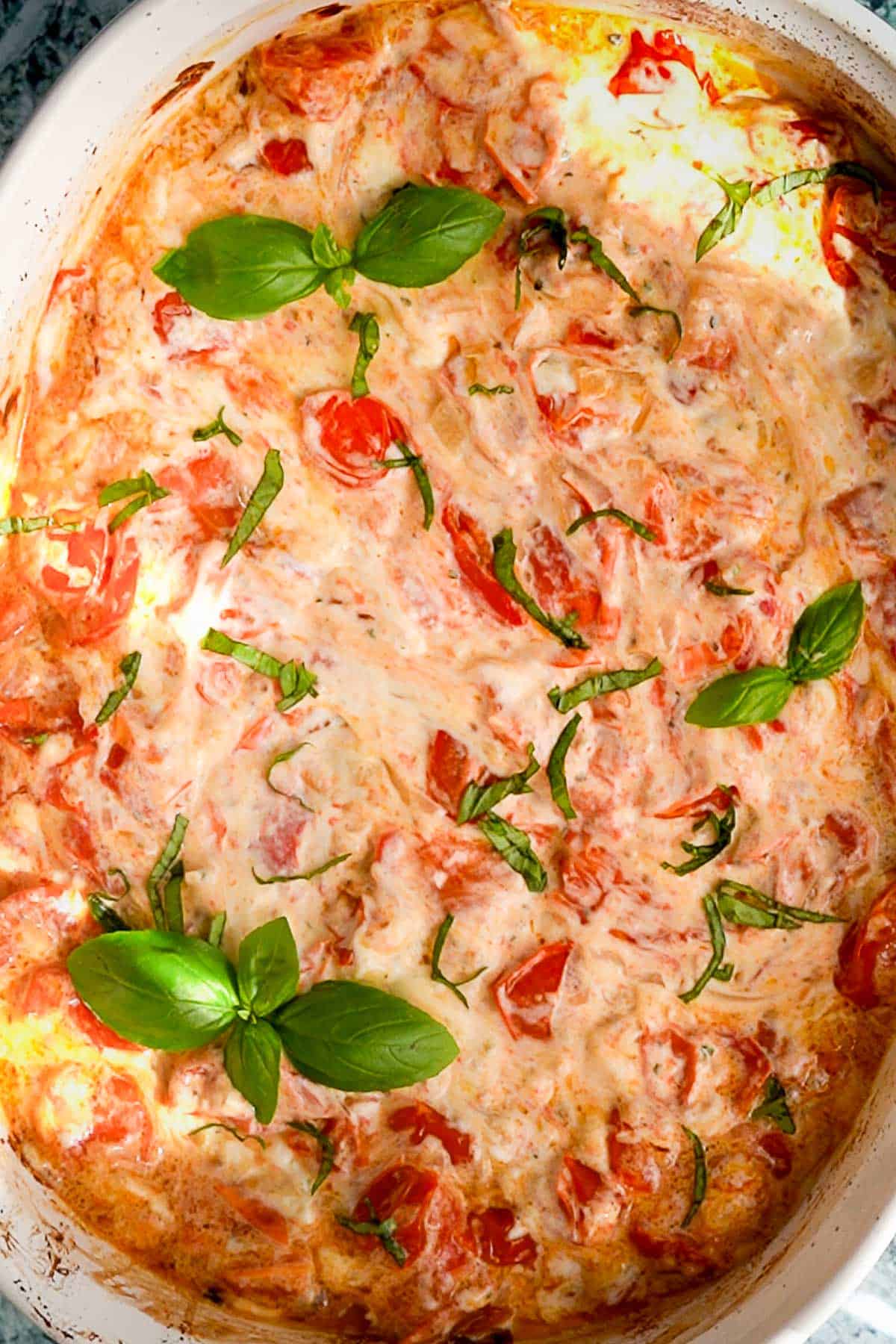
- Combine multiple sources of umami (tomatoes + parmesan = flavor bomb!)
- Heat your spices in fat to “bloom” their flavor, or quickly sear your tomato paste to deepen the taste!
- Use an infused syrup + fresh fruit for a layered flavor in recipes, like this strawberry margarita recipe!
✨ the finishing touch
Don’t let the last step be an afterthought! Planning out your garnish is an easy way to add one last layer of flavor when cooking, baking, and drink making!
- A squeeze of citrus
- A drizzle of good olive oil
- Fresh herbs
- Flaky salt
- A crack of black pepper
- Something crunchy (toasted nuts, seeds, fried shallots)
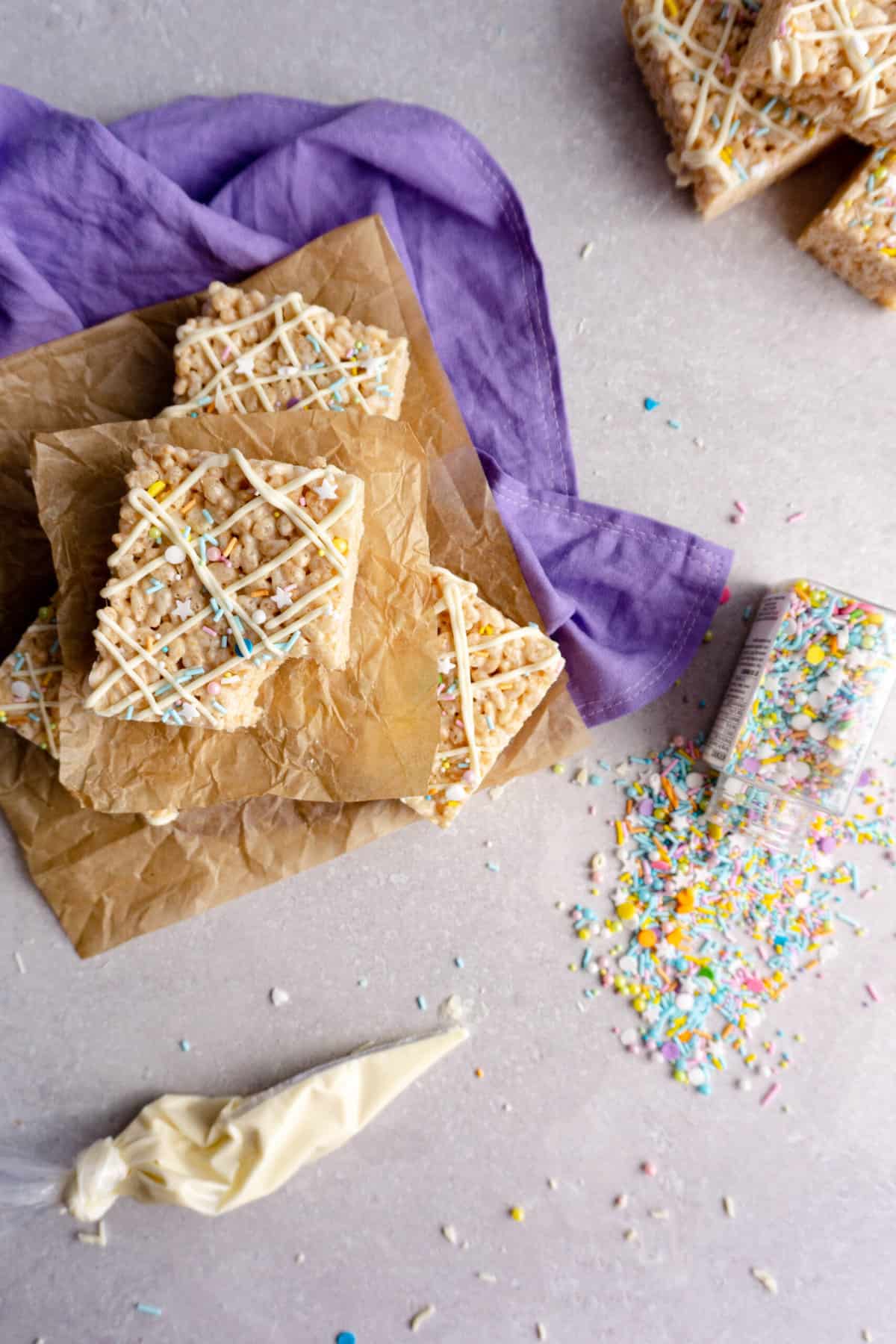
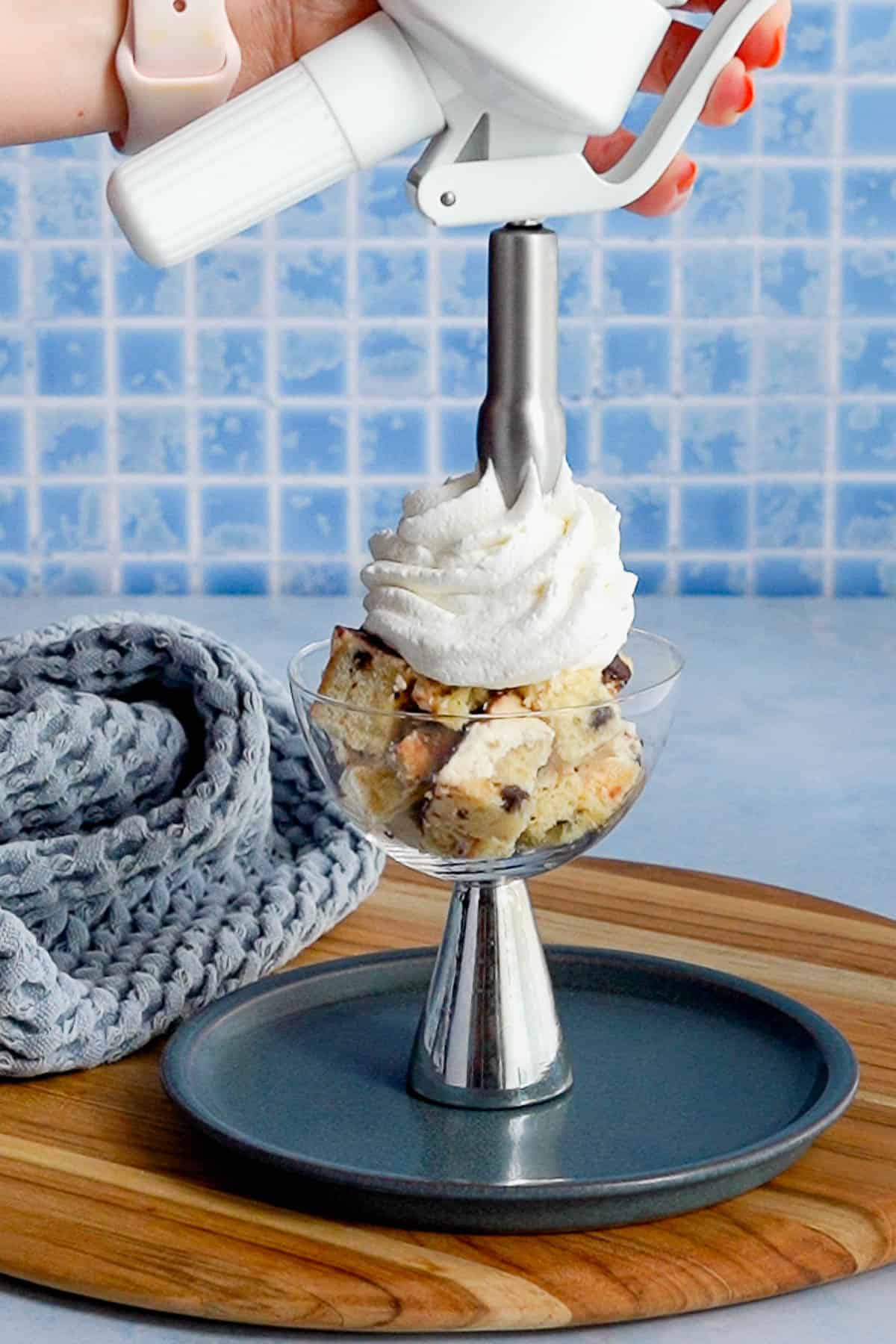
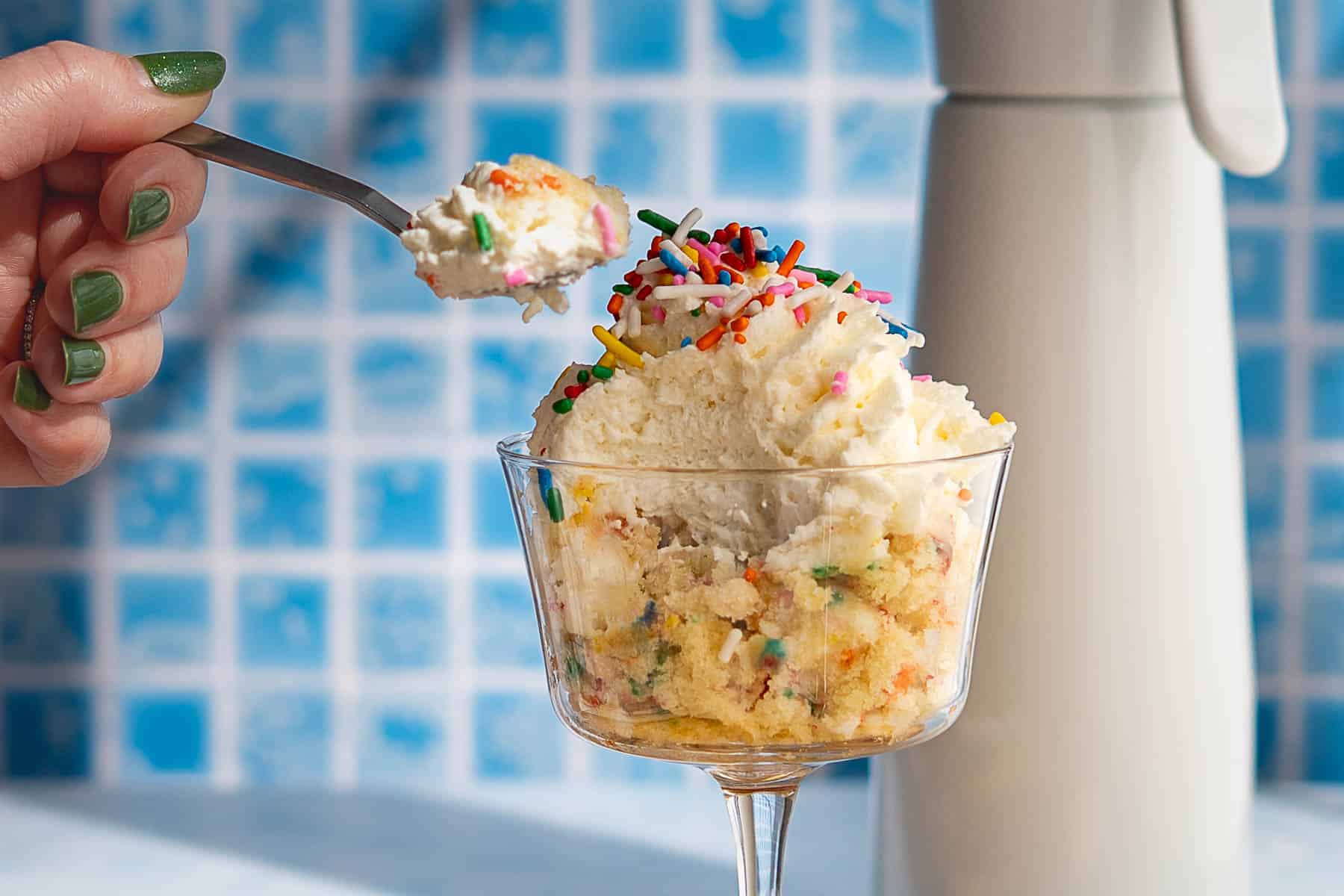
- And NEVER under estimate the power of homemade whipped cream and a generous spoonful of sprinkles on any dessert!
🧩 piecing it all together
You don’t need to hit all six Flavor Factors in every dish every single time you’re cooking, though some recipes do tick all the boxes! But when something tastes “off” or “boring,” now you have a framework to diagnose it. 😏
- tastes flat? Look to The Pop and add some acid or salt.
- bland flavor? Add The Oomph in the form of umami or richness.
- tastes unbalanced? Work with The Balancing Act and blend those flavors!
- looks bleh? Give it The Wow, Mom! moment with a fresh garnish or bold presentation method.
- texture is meh? Add The Intrigue in the form of texture contrast.
- missing soul? Tap into The Feels and cook with intention and memory.
The most important thing to remember is to keep practicing, keep tasting, and keep creating. The more you try and taste as you cook, the better you’ll get!