Learn to cook intuitively — with creative confidence, crazy good flavor, and a serious sprinkle of fun.
Intuitive cooking isn’t about winging it 🫣, it’s about understanding flavor so well that you don’t need to rely on recipes anymore. But if you wanna know how to make any recipe taste better (yeah, even when following instructions perfectly) it all comes down to mastering core flavor elements. The Flavor Factor Framework is your roadmap to get there, whether you’re tweaking a recipe, rescuing a kitchen disaster, or confidently cooking from scratch. 🦸🏻♀️
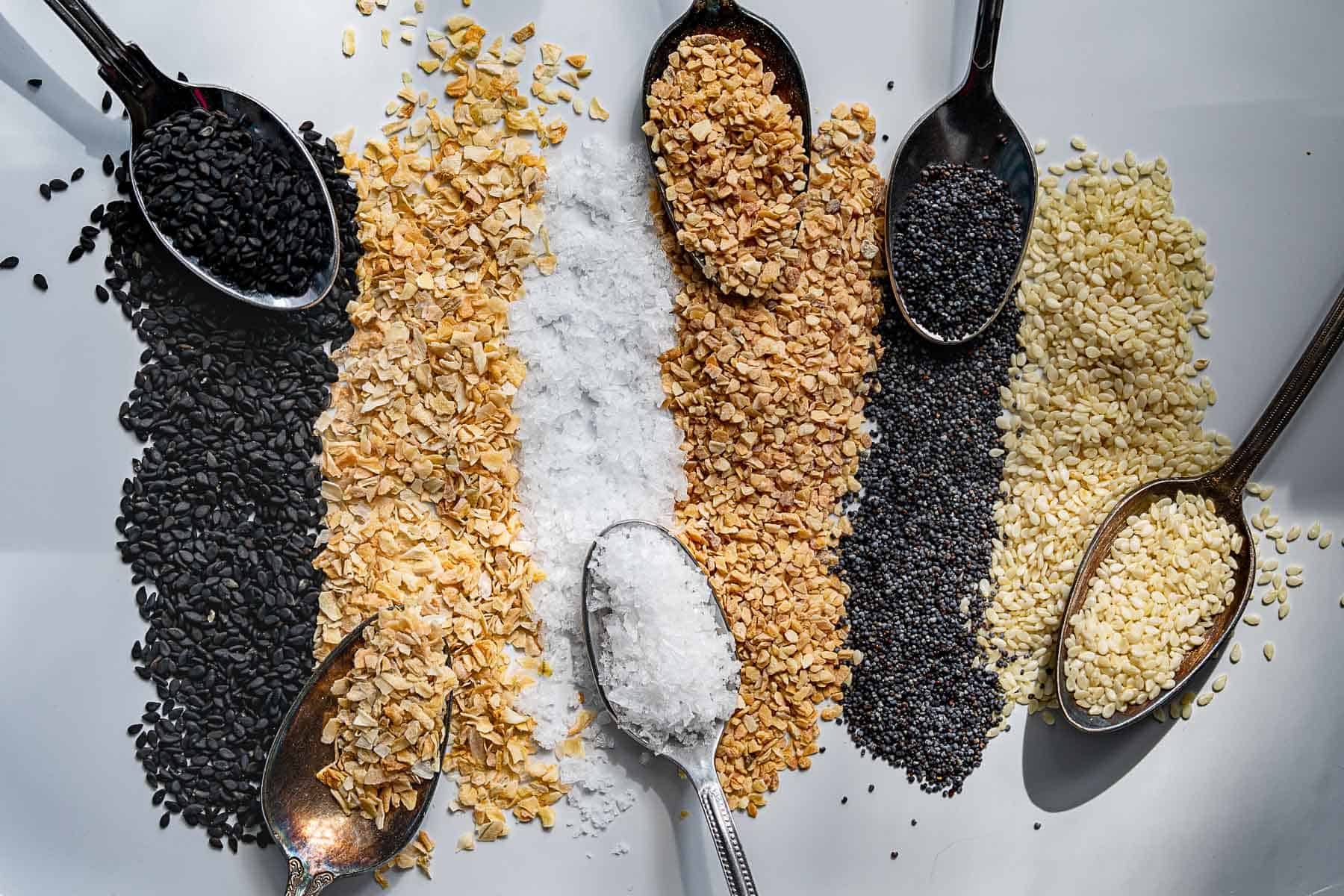
The 6 Flavor Factors: Your Secret Ingredients to Improving Any Recipe
There are tons of contributing factors to what makes something taste better and why, and I’ve divided them up into six easy-to-digest categories I call “The Flavor Factors.” These are the building blocks of flavor that transform ordinary meals into something worth celebrating. Every dish I make hits a combination of these, and now you can use them too!
Meet the six flavor factors
The Pop
The Oomph
The Balancing Act
The Wow, Mom!
The Intrigue

The Feels
💥 The Pop: Adding Acid + Brightness
What it is: Brightness, acidity, freshness. The thing that makes your mouth water and wakes up a dish.
Why it matters: This is usually what’s missing when your homemade food tastes “flat.” Restaurants add acid to almost everything. A squeeze of lemon, a splash of vinegar, a hit of citrus zest. It makes flavors POP.
How to add it:
🙌 The Oomph: Building In Umami + Savory Depth
What it is: Richness, depth, umami, layers. The thing that gives food body and makes it feel deeply satisfying.
Why it matters: This is the “secret” in restaurant food. They build layers of flavor through browning, slow cooking, and umami-rich ingredients. It’s why their pasta sauce tastes deeper than yours!
How to add it:
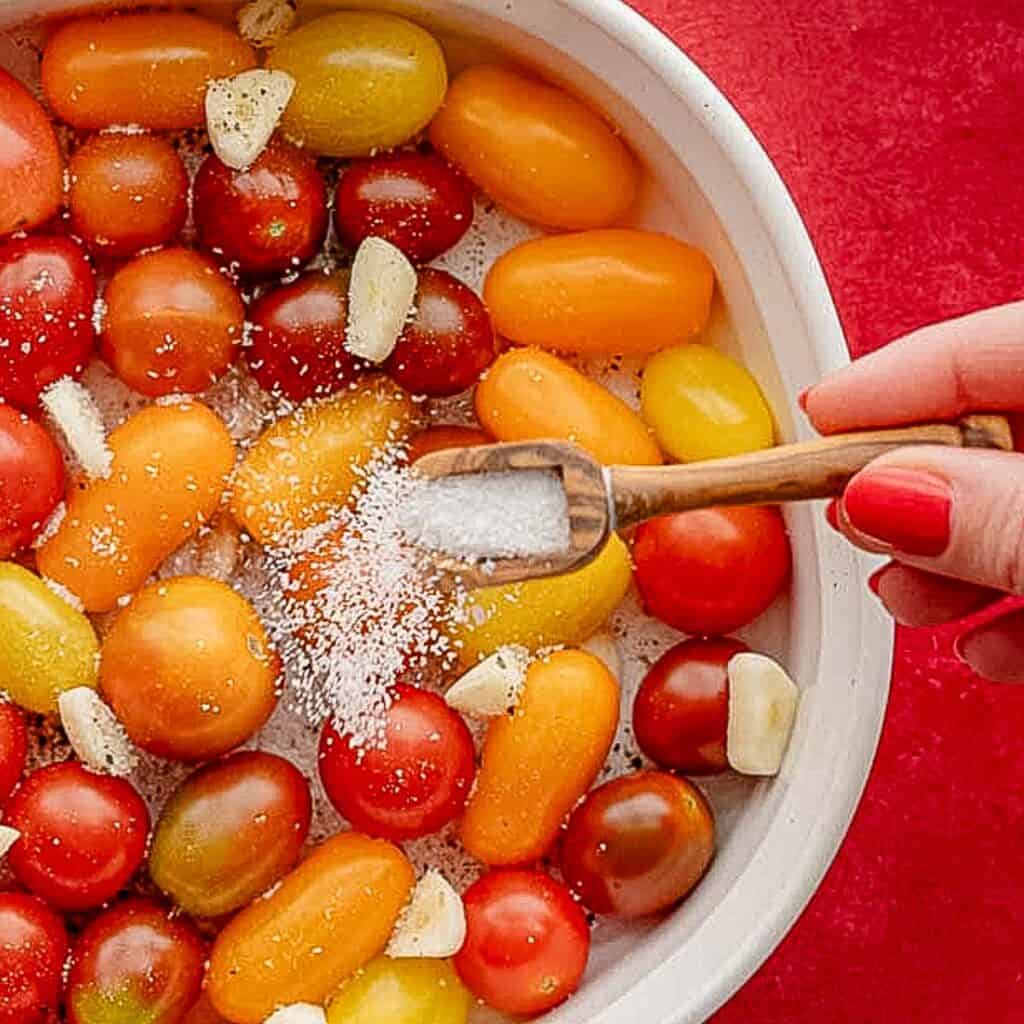
⚖️ The Balancing Act: Layering Salt, Seasoning + Blending
What it is: The harmony of the five tastes. Sweet, salty, sour, bitter, and umami working together like the perfect team.
Why it matters: Great cooking is about balance. A little sweetness cuts bitterness. Salt enhances everything. Acid brightens richness. When these are in harmony, food just WORKS.
How to nail it:
🌟 The Wow, Mom!: Adding Visual Appeal + Restaurant Quality Presentation
What it is: Presentation and visual appeal. That “LOOK WHAT I MADE!” and “OMG YOU GET A GOLD STAR” moment. We are putting a picture of this right on the front of the fridge!
Why it matters: We literally perceive food as tasting better when it looks beautiful. It’s science! Plus, you worked hard. Your food deserves to look as good as it tastes.
How to add it:
🤌 The Intrigue: Combining Texture, Interest, + Contrast
What it is: The thing that keeps every bite interesting. Texture, temperature, contrast, mouthfeel. Mixing complex flavors with simplistic presentation. The PB+J elevated. The Espresso Martini perfected.
Why it matters: Being driven to take just one more bite or sip is the differentiating factor for what makes meal memorable. Texture is often what we crave most about our favorite foods. The crunch of a chip, the creaminess of mashed potatoes, the chew of fresh bread. Without textural contrast, even flavorful food gets boring. And temperature matters too! Think about when you get a delivery pizza that’s lukewarm vs. piping hot— it totally impacts the experience!
How to add it:
💗 The Feels: Crafting Nostalgia, Comfort Food + Culinary Storytelling
What it is: Nostalgia, comfort, emotion. The intangible thing that makes food meaningful. The story behind the recipe card.
Why it matters: This is the one of the most powerful Flavor Factors, and it’s the one you can’t fake or take shortcuts for. Food is memory. Food is love. Food is culture. When you cook something that connects to those feelings (for yourself or for others), it transcends from being “just a meal.”
How to tap into it:
What’s cookin’?
Browse the Recipe Index and start learning how to build better flavor today!