


Every few years, social media explodes with videos of chefs showing how much salt they ACTUALLY use. People totally freak out. Comment sections go WILD. Everyone starts salting their pasta water like they’re seasoning the ocean, and folks rejoice that their food finally has flavor. But you know what nobody talks about enough? Acid. But I believe that acidic ingredients are the true unsung hero of flavorful food!!!
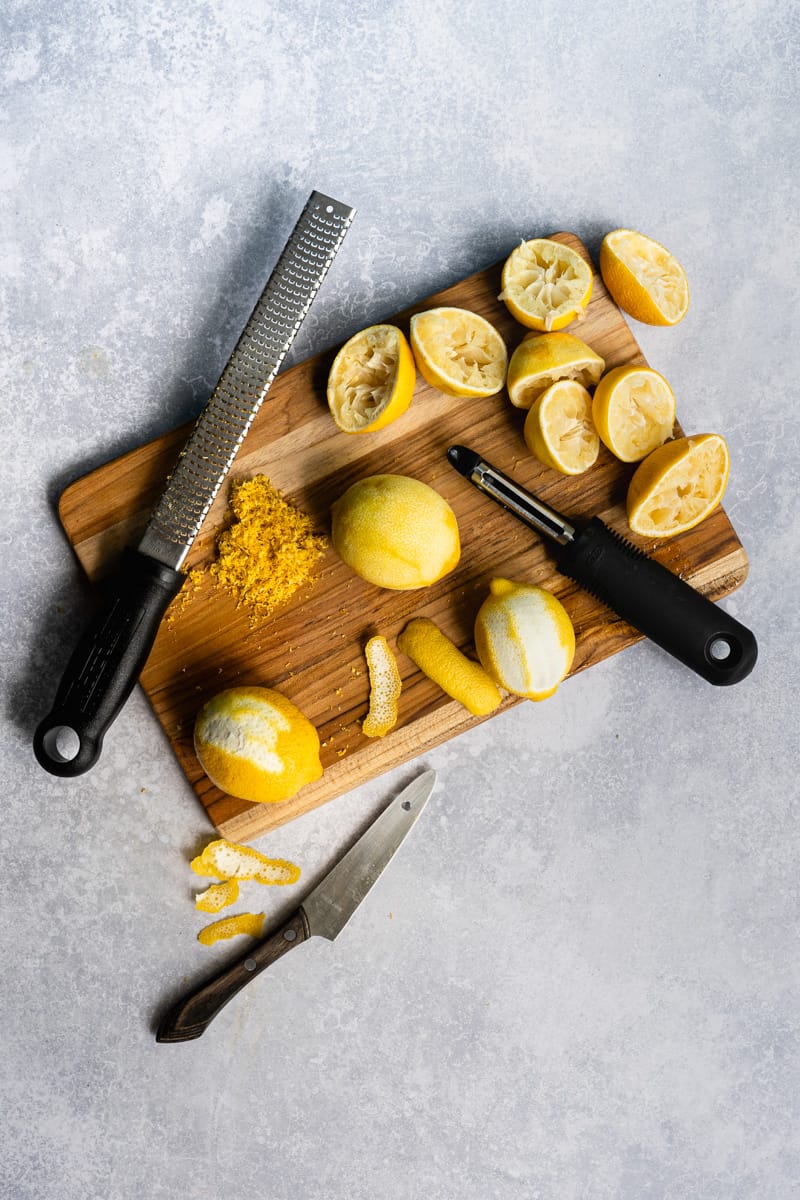
After teaching thousands of home cooks about flavor, I can tell you that the reason a lot of recipes fall flat isn’t because they need more salt. It’s because they lack brightness, sourness, or acidity.
I developed the Flavor Factor Framework to help you demystify the process of cooking better tasting food. The Pop is the Flavor Factor that teaches you all about how to wake up your food using acidity and brightness.

You know that feeling when you take a bite of something and your whole face lights up? Like, suddenly your taste buds are ALIVE and you’re reaching for another bite before you’ve even finished chewing? That’s acid doing its thing. That’s The Pop. 💥
It’s the secret ingredient that makes tacos need lime wedges and turns a basic caprese salad into something you’d order at a restaurant. But here’s the thing most home cooks don’t realize: acid isn’t just about adding sourness. It’s about making every other flavor in your dish taste MORE like itself. Sweeter, richer, more vibrant, more interesting. It’s like turning up the volume on all the other ingredients.
So let’s talk about how to use it, where to find it, and why it’s about to become your new favorite way to make everything you cook taste ridiculously good. 🍋
⏱️ tldr; how does acid help?
Acid makes every other flavor in your dish taste more like itself. It brightens, balances, and turns up the volume on sweetness, richness, and complexity. Without it, food tastes flat and one-dimensional.
📚the backstory on working with The Pop
(aka everyone’s favorite part of food blogs!)
I was making a strawberry simple syrup. Just strawberries, sugar, and water. It tasted fiiiine. Sweet, obviously. Strawberry-ish, sure. But kind of flat and one-dimensional, like the strawberry flavor was there but it wasn’t fully there.
Then I remembered a bit more about what I learned in culinary school, specifically related to how acid works, and I squeezed in some lemon juice. Just a little bit from half a lemon. And suddenly the whole thing opened up.
It tasted like full-on strawberries now! Bright, almost floral, WAY more complex. The lemon didn’t make it taste like lemon. It made the strawberry taste more like strawberry.
That was my “ohhhh yeah THAT’S what acid does” moment. It doesn’t just add sourness, it lets the other flavors actually shine. Sorta like turning up the brightness or exposure on a photo you didn’t realize was overly dull.
❓what exactly is The Pop?
The Pop comes from acidity—and acid is one of the most underrated tools in your kitchen arsenal. When we talk about The Pop, we’re talking about ingredients that bring:
- brightness – that fresh, clean, “wake up your taste buds” quality
- freshness – the opposite of heavy or muddy flavors
- balance – acid cuts through richness and fat, making dishes feel lighter
- complexity – a squeeze of citrus can make other flavors in the dish shine brighter
💁🏻♀️the personality of acid
Dr. Arielle Johnson, a flavor scientist and author of Flavorama, has done extensive research on how taste and smell work together. In fact, she makes the case that flavor itself is the combination of taste AND smell, which is why fresh lemon juice has so much more brightness than plain citric acid. You can still smell the lemon!
Dr. Johnson describes acidic flavor molecules as ranging from personable “social butterflies” to pungent “bullies” of the flavor world, depending on their strength. Think of the difference between harsh distilled white vinegar and delicate champagne vinegar, and you’ll know exactly what she’s talking about.
If The Pop were a person at a party? They’d be the one effortlessly chatting up everyone in the room. The one who loves the spotlight (and sometimes takes over a conversation) and has no problem getting all the attention. The Leos of the flavor world, if you will. 🦁
🪄how acid works its flavor magic
The key takeaway: sour balances fatty, sweet, bitter, and umami flavors.
balancing other flavors
Acid helps cut fatty flavors or richness. Take short ribs for example! Short ribs are a super fatty, super rich cut of meat, stuffed with The Oomph and umami fullness. But sometimes there can be toOoOo much of a good thing! 🫣 Adding the sourness from red wine, tangy dijon mustard dressing, or fresh lime juice helps balance out that marrow-filled richness. Same with acidic tomato sauce balancing out the brothy depth in a slow-simmered Italian Sunday gravy.
tenderizing meat
Here’s a trick I use all the time: yogurt marinades. The acid in yogurt breaks up some of the tougher protein structures in meat, making it more tender and juicy. Instead of a chewy or tough bite, you get something that practically melts in your mouth.
I also love using vinaigrette salad dressings as marinades, too! It’s a great way to add a boost of flavor while also tenderizing the protein. And of course even plain citrus juice can add flavor to meat, like with the Italian classic pan fried chicken limone.
preventing browning
Acid helps prevent oxidation! I love tossing apple slices in lemon juice when meal prepping snacks for the week. It stops them from turning brown while also giving them a nice burst of flavor.
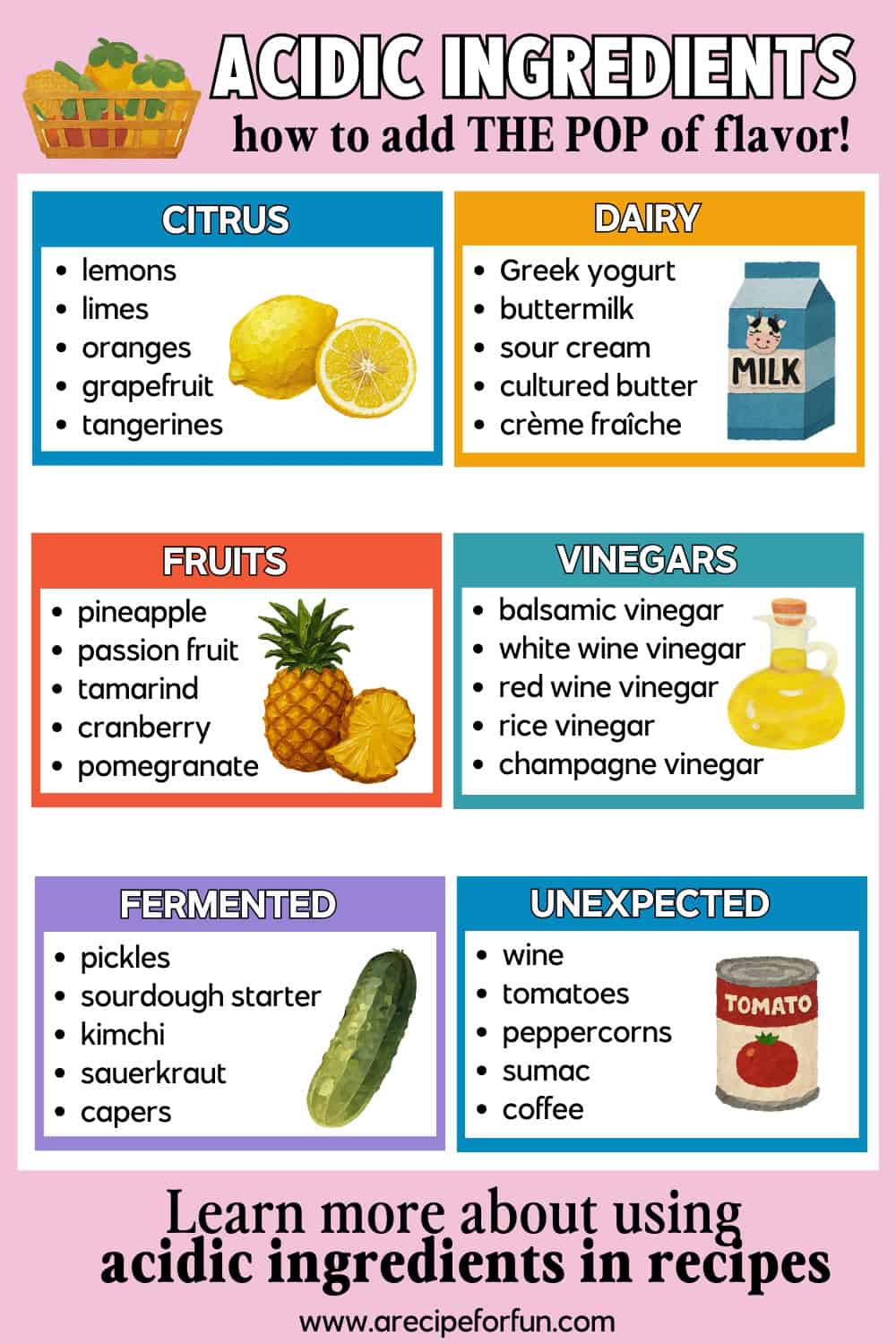
📓 your guide to acidic ingredients in cooking (The Pop toolkit)
Ready to add more POP to your cooking? Here are the heavy hitters:
🍋 the bright ones (citrus)
Quick note: limes and lemons are pretty interchangeable acidity-wise, even though they taste different. Use what you’ve got!
🍋 citrus-forward recipes

lemon pepper salad dressing
This quick peppery lemon salad dressing also works as a flavorful marinade! It’s bold and flavorful on everything from side salads to grain bowls, too!
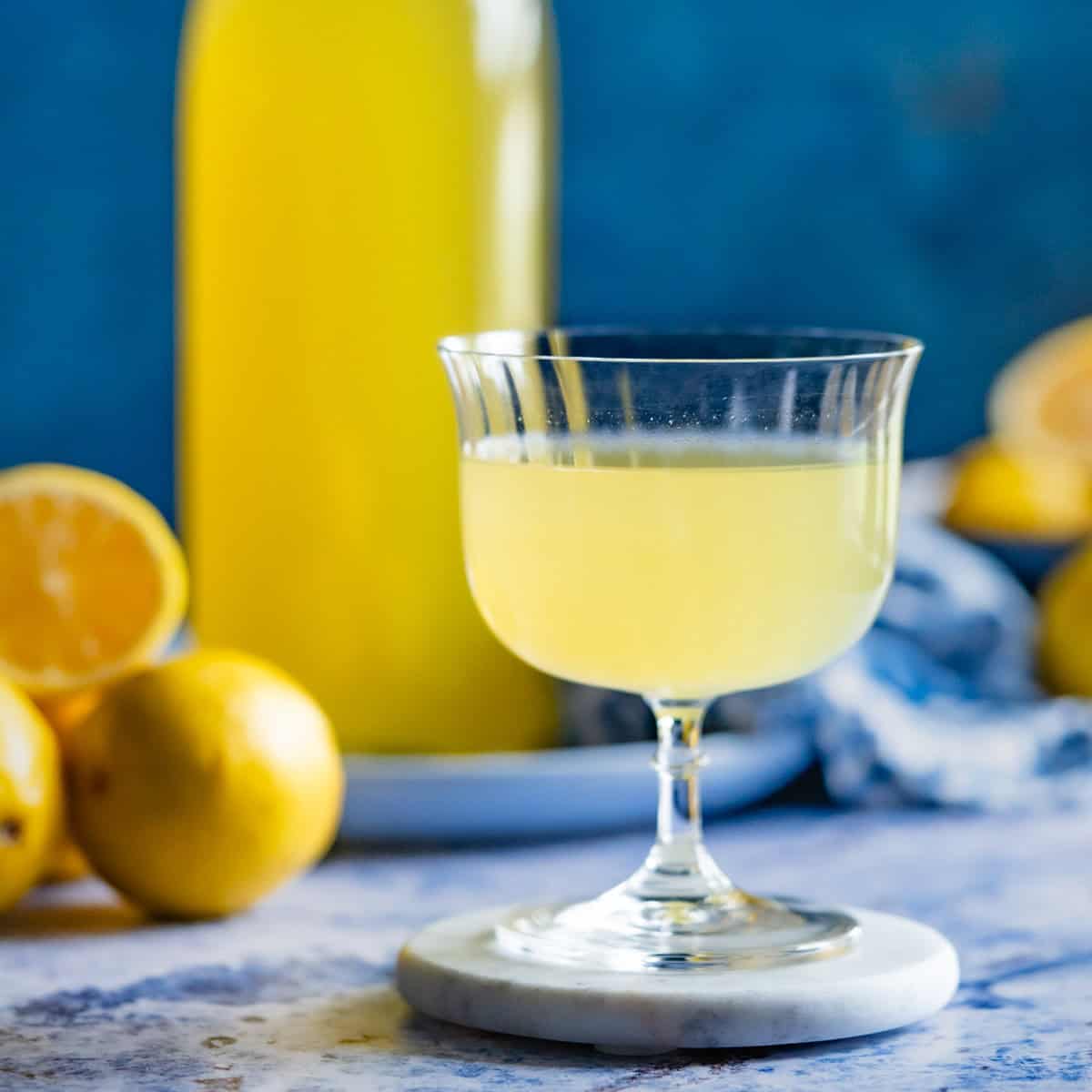
limoncello liqueur
The iconic Italian lemon liqueur with a flavor-forward twist! My limoncello recipe uses infused lemon syrup and lemon zest for a double dose of lemon flavor!

lemon pesto
This lemony basil sauce is an upgreaded version of classic pesto, thanks to lemon juice and lemon zest.
🫙 the tangy ones (vinegar)
Not all vinegars are created equal! I normally don’t use white distilled vinegar aside from cleaning—it’s distilled from grain alcohol, very harsh in taste, and tends to overpower everything.
Just like the difference between a blend of olive oil versus extra virgin single-origin, vinegars vary wildly in taste. Some are sweeter and lighter, some more pungent and astringent. Experiment and taste!
🥗 vinegar recipes

fresh Parsley vinaigrette
Balsamic vinegar helps to bring a touch of sweet acidity to lemon juice and fresh parsley for the perfect versatile dressing that goes with anything!

Carrot Miso Ginger Salad dressing
This fresh carrot ginger dressing gets a double dose of flavor from fermented miso paste and rice wine vinegar! I also love using this dressing as a marinade, too!

Marinated Mozzarella salad
A bit of balsamic vinegar helps to create a quick marinade for a fresh and herbal mozzarella salad! It’s perfect as an antipasto or mixed into pasta!
🍍tropical fruits
Wanna save this recipe for later? 📬
🌴 tropical fruit recipes

homemade pineapple soda
Homemade soda pops are super easy to make thanks to infused simple syrups! This pineapple soda pop uses a real pineapple syrup and fresh pineapple pieces to amp up the flavor!

Fresh Passion fruit Puree
Fresh passion fruit puree is intense and bold in flavor, with a sweet tartness and bright acidity that works in tons of recipes from sweet to savory!

Pomegranate kale salad
This kale and pomegranate salad has fresh pomegranate AND a pomegranate salad dressing, which helps to balance the flavor of the kale!
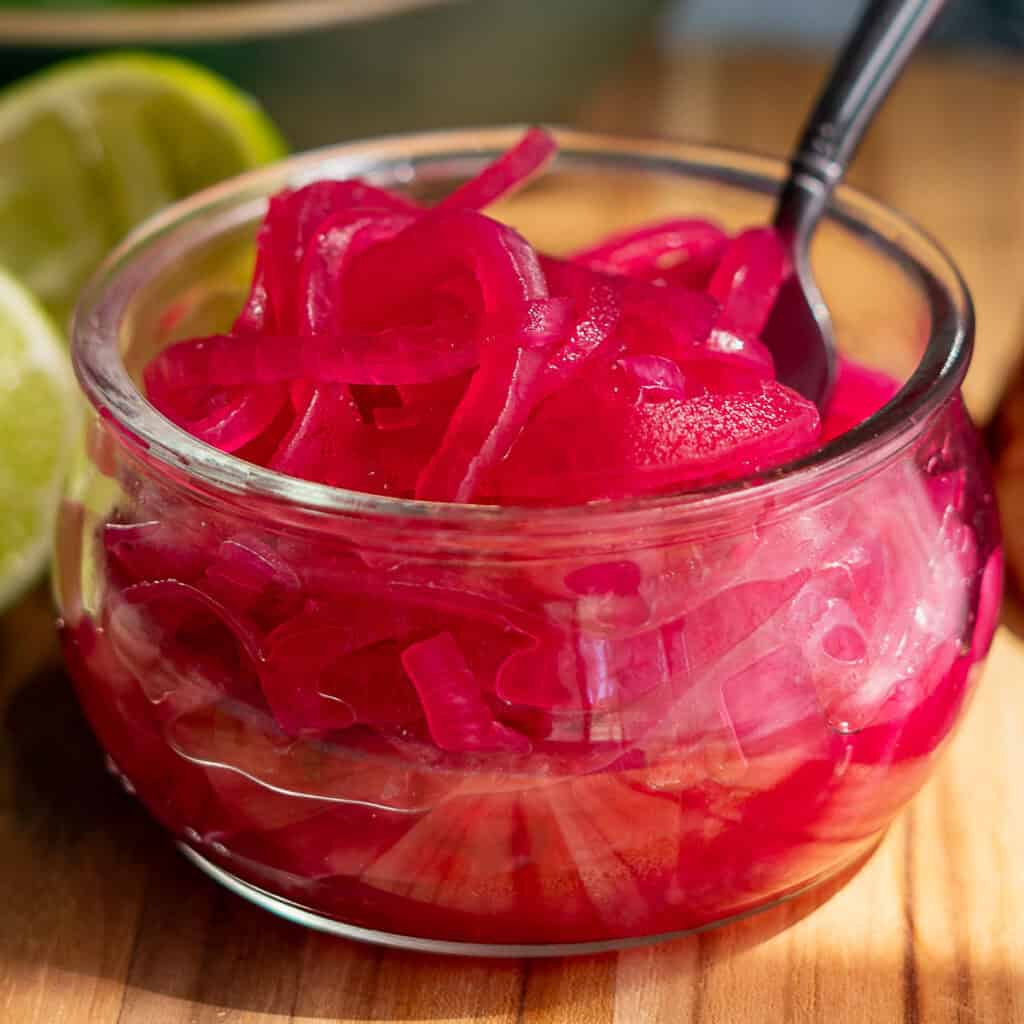
🥒 the funky ones (fermented, pickled, + preserved)

🐮 the creamy ones (dairy)
🤯 unexpected acidic ingredients
🔎 matching acids to what you’re making
This isn’t a hard rule, but a good starting point—let the other ingredients guide you:
rich, fatty dishes – honestly, any acid will help cut through
Mediterranean dishes – lemon, red wine vinegar
Asian dishes – rice vinegar, lime
Mexican dishes – lime, pickled jalapeños
comfort food → apple cider vinegar, buttermilk
ℹ️ troubleshooting tips for acidic ingredients
too sour? Balance it with a little sweetness (sugar, honey) or fat (butter, cream). They’re acid’s best friends.
still tastes flat? It probably needs more acid. Start small (a teaspoon) and taste as you go.
added acid too early? Green veggies can turn an unappetizing olive color, and dairy can curdle. When in doubt, add it at the end.
wrong acid for the dish? Balsamic in ceviche is going to be weird. Match your acid to your cuisine.
⏰ when to add acid
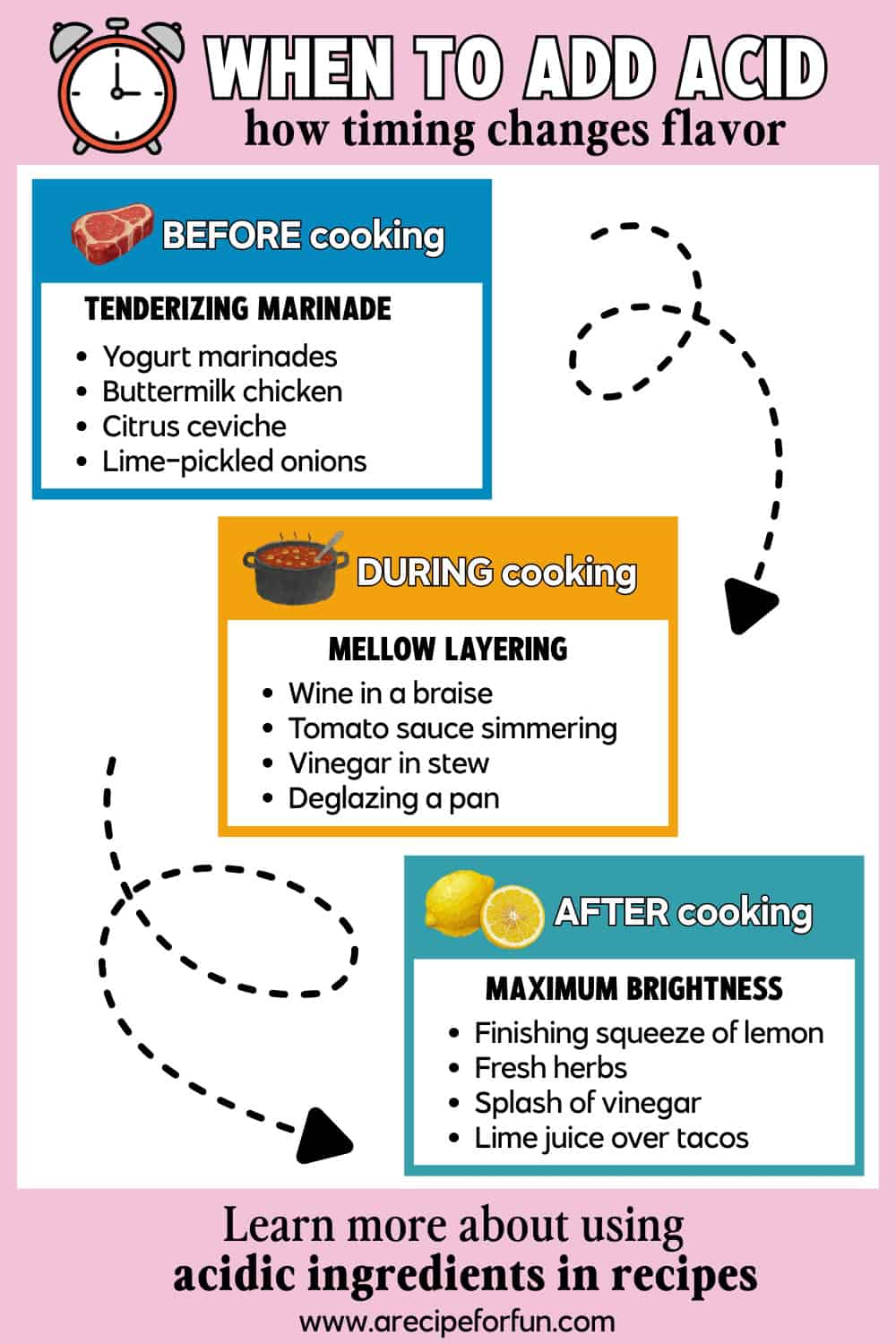
Timing actually matters here! WHEN you add acid impacts the intensity and flavor in your recipes!
Add at the END for bright, punchy flavor. A squeeze of lemon right before serving keeps that freshness front and center.
Add DURING cooking when you want it to mellow out and integrate. Wine in a braise, tomatoes in a slow-cooked sauce—the acid softens and becomes part of the background.
Add in marinades when you want the acid to do some work on the proteins (tenderizing meat, “cooking” fish in ceviche).
💬 q+a
↕️ layering acids: a fun experiment
Wanna do a fun lil cooking experiement to learn more about how acid really works in your food? The next time you’re making a favorite recipe, try using more than one acid in the same dish, at different stages. Taste as you go and make note of how the acid impacts the flavor!
In a slow-cooked sauce, I might add wine early (so it mellows), tomatoes in the middle (for body), and a squeeze of lemon right at the end (for brightness). Each one does something different, and together they build this really interesting depth.
And the NUMBER ONE TIP when using acidic ingredients at home? TASTE YOUR FOOD. Seriously. Next time you’re cooking something—anything—taste it before you serve it. If it’s good but not great, add a tiny splash of acid. Lemon juice, a little vinegar, use the info in this post to match the acid to your recipe’s flavor profile.
THEN, Taste it again. That’s The Pop.
Once you start noticing it, you’ll find yourself reaching for acidic ingredients way more often. And your food will taste considerably better without any extra effort! Comment below and tell me how it changed the dish!