
December means winter has officially arrived, and with it comes some of the most flavorful produce of the year. This comprehensive guide to December produce will show you what’s in season this month—and more importantly, how to make it taste incredible!

My Italian grandmother taught me that cooking with the seasons isn’t just about what’s available—it’s about capturing ingredients at their absolute flavor peak. December might seem like a quieter month in the produce aisle, but it’s actually when winter citrus hits its stride and root vegetables develop their sweetest, most concentrated flavors thanks to the cold weather.
From vibrant citrus fruits bursting with juice to hearty vegetables that caramelize beautifully, December’s produce lineup is perfect for building layers of flavor into everything you cook. Winter squash is still going strong, brussels sprouts are at their best, and hardy greens like kale can handle the frost like champs. Plus, it’s peak citrus season—hello, blood oranges and pomelos!
While this list will vary slightly based on your geographical location, here’s what you can expect to find across the United States during December. Looking for more seasonal inspiration? Check out my other seasonal produce guides!
Got a minute?!
I’d be so grateful if you could fill out this quick survey for me!
I use all the responses to help make sure my site is as useful as it can be, just for YOU!
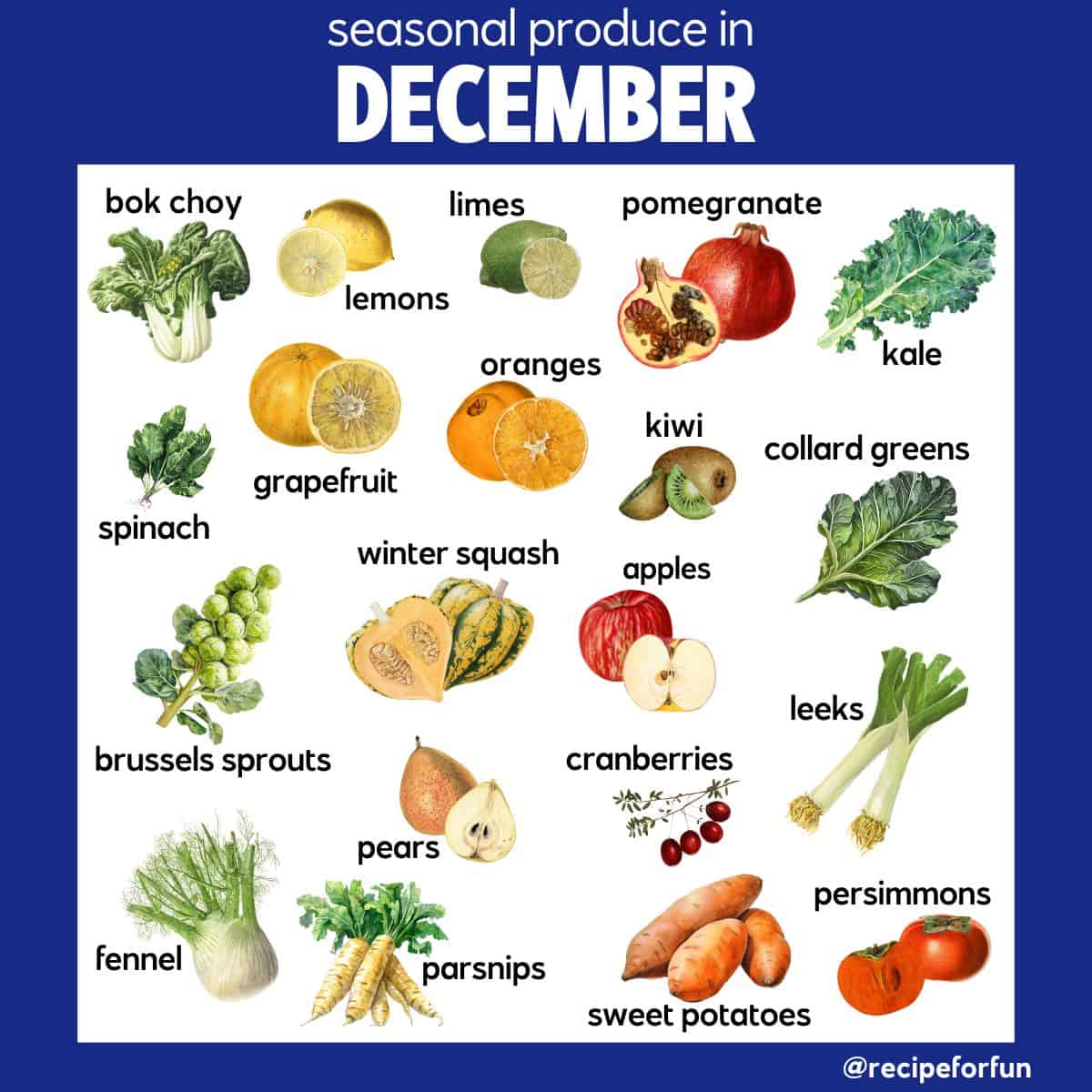
🖼️ seasonal foods infographic in December
Here’s a handy infographic to showcase some of the freshest seasonal produce available in December. Save this image for all your grocery store trips this month, or pin it for later, it’s a great way to make sure you’re shopping seasonally during all your farmers market trips!
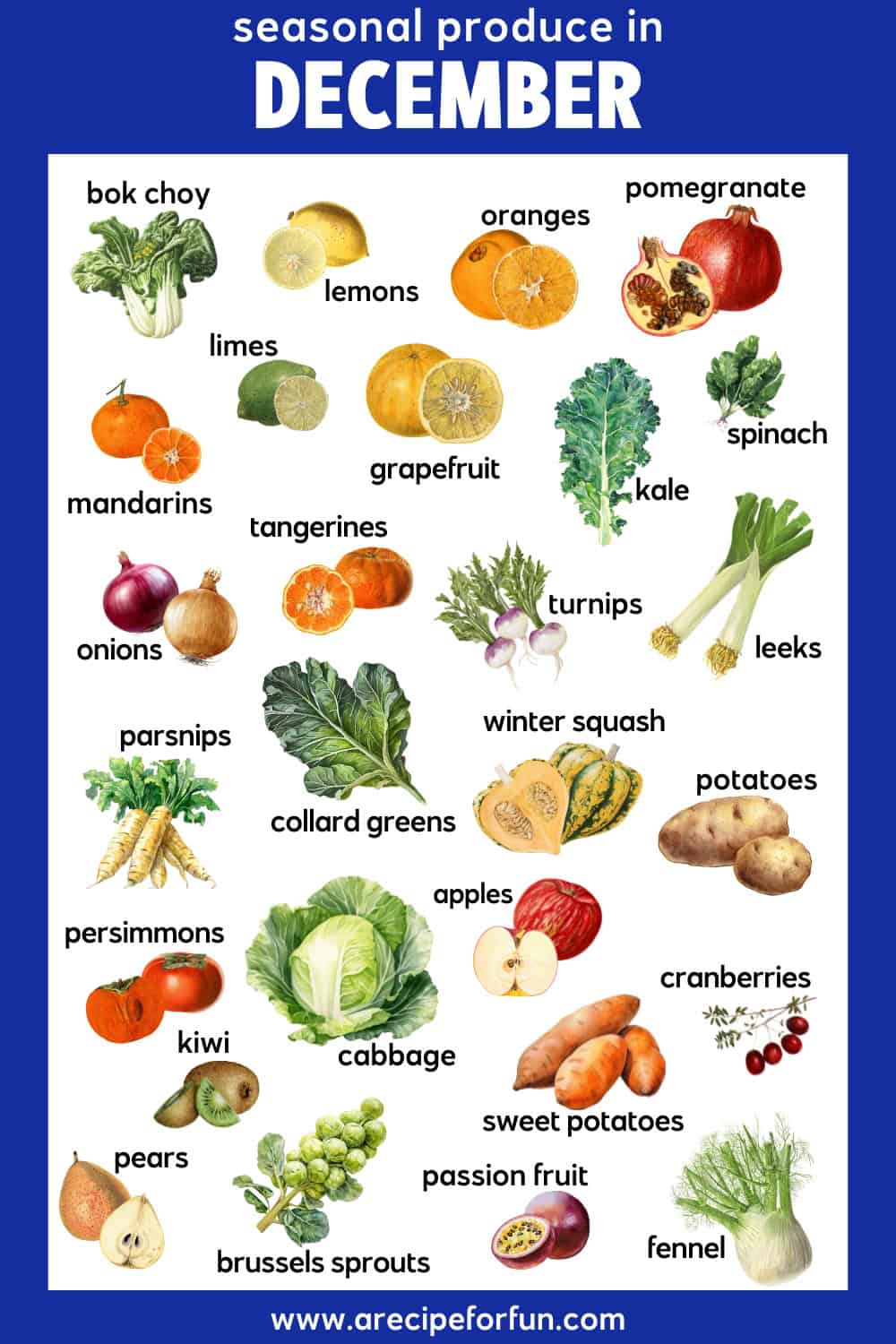
🧾 complete list of fruits & veggies in season in December
December’s cool weather means it’s prime time for cozy cooking with fresh seasonal produce. Shopping seasonally isn’t just about supporting local farmers (though that’s a bonus!), it’s the easiest way to make sure your food actually tastes incredible.
Peak-season produce has more flavor, better texture, and costs less because it’s abundant. Plus, rotating ingredients throughout the year keeps your recipe inspiration game strong instead of cooking the same tired meals on repeat. Here’s what’s fresh and flavorful in December!
what fruit is in season in December:
- Apples
- Clementines
- Cranberries
- Grapefruits
- Kiwi
- Kumquats
- Mandarins
- Oranges
- Passionfruit
- Pears
- Persimmons
- Pomegranates
- Satsumas
- Tangerines
what vegetables are in season in December:
- Broccoli
- Bok Choy
- Brussels sprouts
- Cabbage
- Carrots
- Cauliflower
- Celery
- Collard Greens
- Fennel
- Kale
- Kohlrabi
- Leeks
- Mushrooms
- Onions
- Parsnips
- Potatoes
- Rutabagas
- Sweet potatoes
- Turnips
- Winter squash

✨ December ingredient spotlight & recipe share
Want more recipe inspo? 👀
Drop me a comment and let me know what you’re looking for! I run this site by myself, and I’m here to help YOU stay inspired! I’d be thrilled to help develop a recipe just for you!
♥️ pomegranates – juice that’s worth the squeeze!
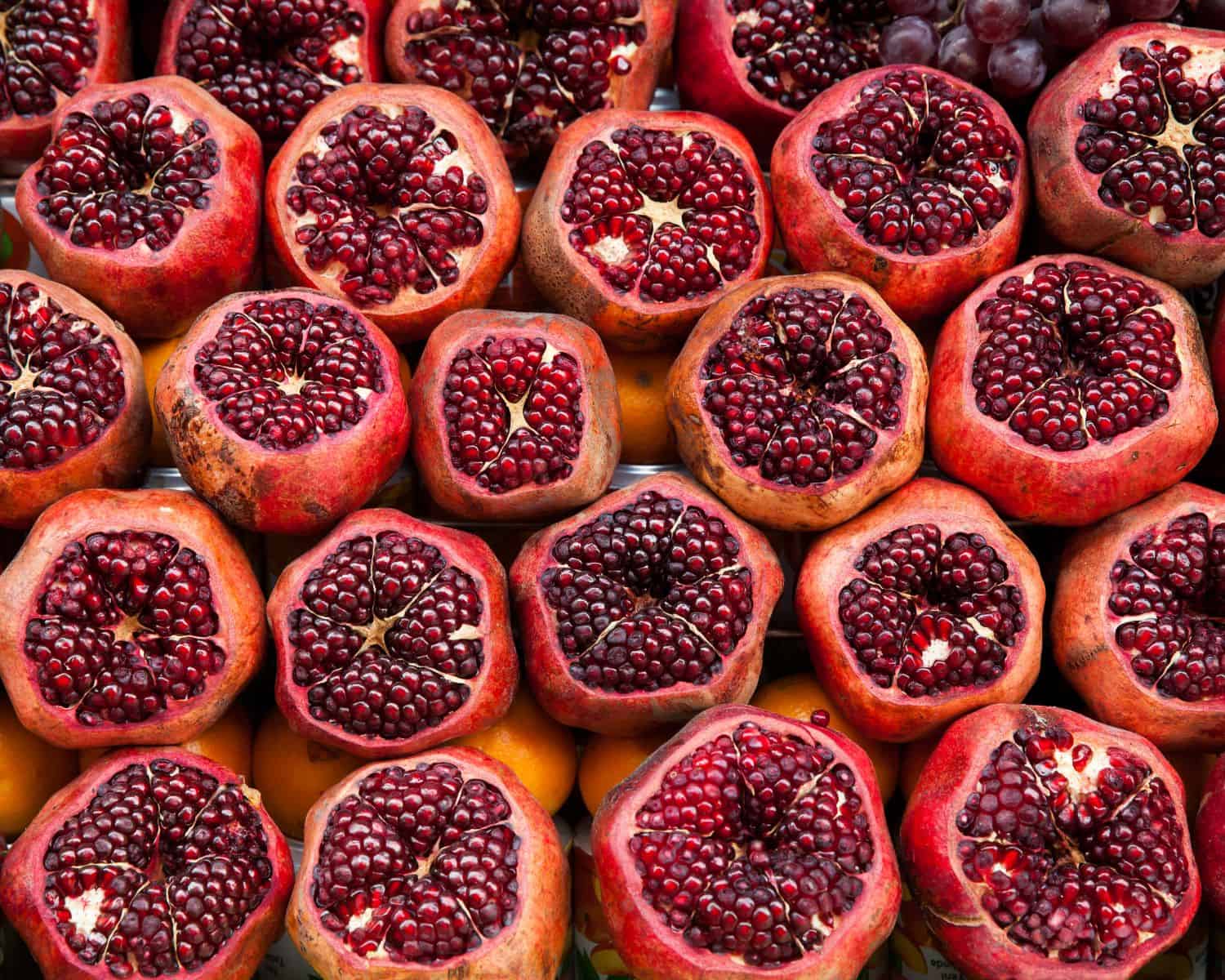
Pomegranates are like nature’s treasure chest: crack one open and you’re rewarded with hundreds of ruby-red arils that burst with sweet-tart juice. They’re at their absolute peak in December, and honestly? They’re way more fun to work with than you’d think.
how to pick: Choose pomegranates that feel heavy for their size—that means they’re packed with juice! The skin should be firm and deeply colored (ranging from bright red to deep burgundy). Don’t worry about minor scratches or blemishes on the skin; they don’t affect what’s inside. Avoid any with soft spots or cracks.
how to store: Keep whole pomegranates in the refrigerator for up to 2 months. Once you’ve extracted the arils, store them in an airtight container in the fridge for up to 5 days, or freeze them for up to 6 months.
how to prep: Here’s the trick that’ll change your life: Cut off the crown, score the skin into quarters (don’t cut all the way through!), then submerge the whole thing in a bowl of water. Break it apart underwater and the arils sink while the white pith floats. Strain, and you’re done! Way easier than wrestling with it on a cutting board.
flavor profile: Sweet-tart with a slight tannic bite and gorgeous jewel-like crunch. The juice is intensely flavorful, think cranberry meets cherry with a hint of citrus.
flavor BFFs: Pomegranates love citrus (especially orange and lime), warm spices like cinnamon and cardamom, fresh herbs like mint and rosemary, nuts (especially pistachios and walnuts), and rich cheeses like feta and goat cheese. They’re also incredible with chocolate and make cocktails feel extra fancy.
recipe ideas for pomegranates:
syrup for drinks

Grenadine syrup is the OG fruit syrup in the beverage world, and once you make your own, you won’t be able to have it any other way! Make an easy pomegranate soda or flavor your favorite iced tea!
pom cocktails
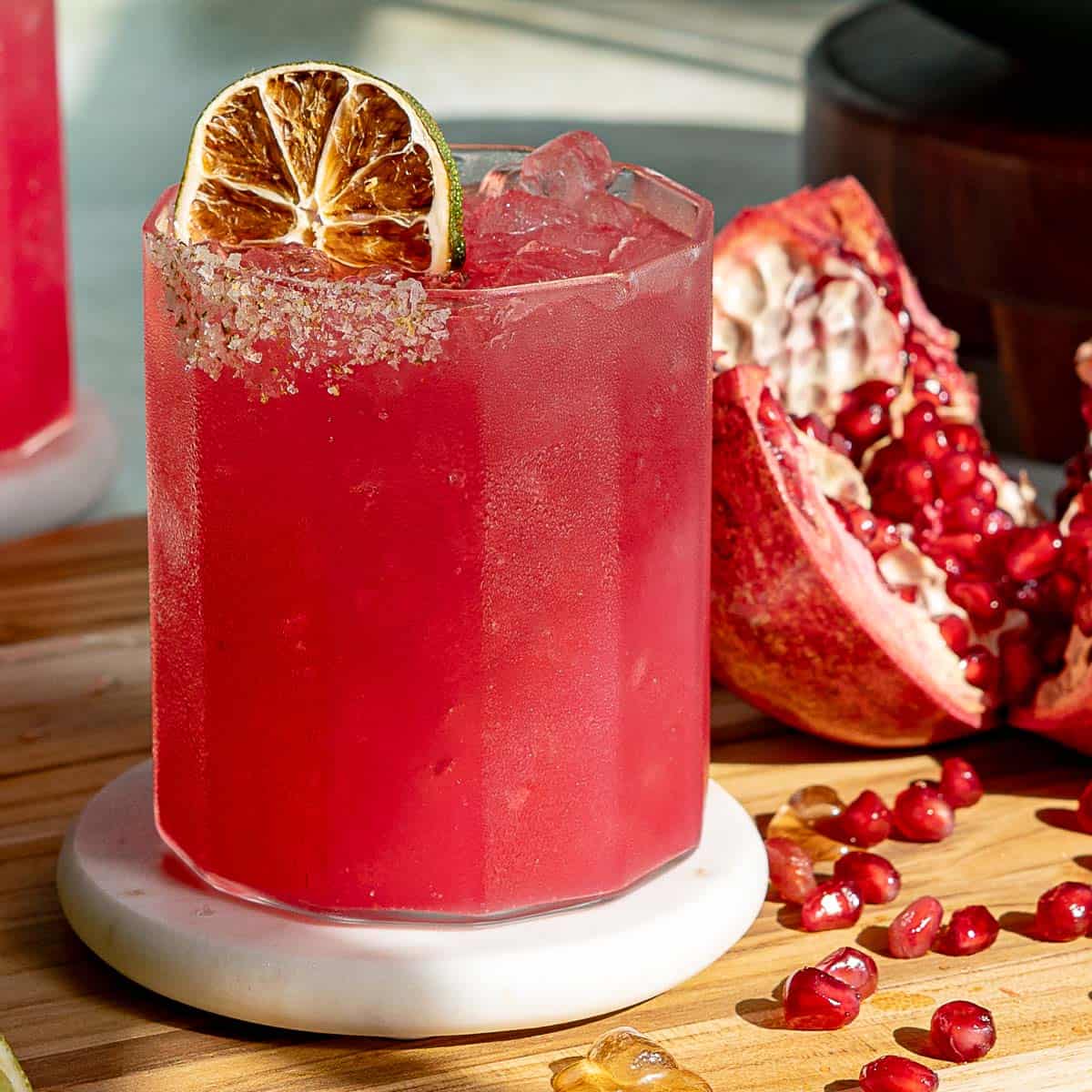
Pomegranate cocktails like seasonal margaritas make winter feel extra fancy, especially when you take the time to squeeze the juice fresh yourself!
salad dressings
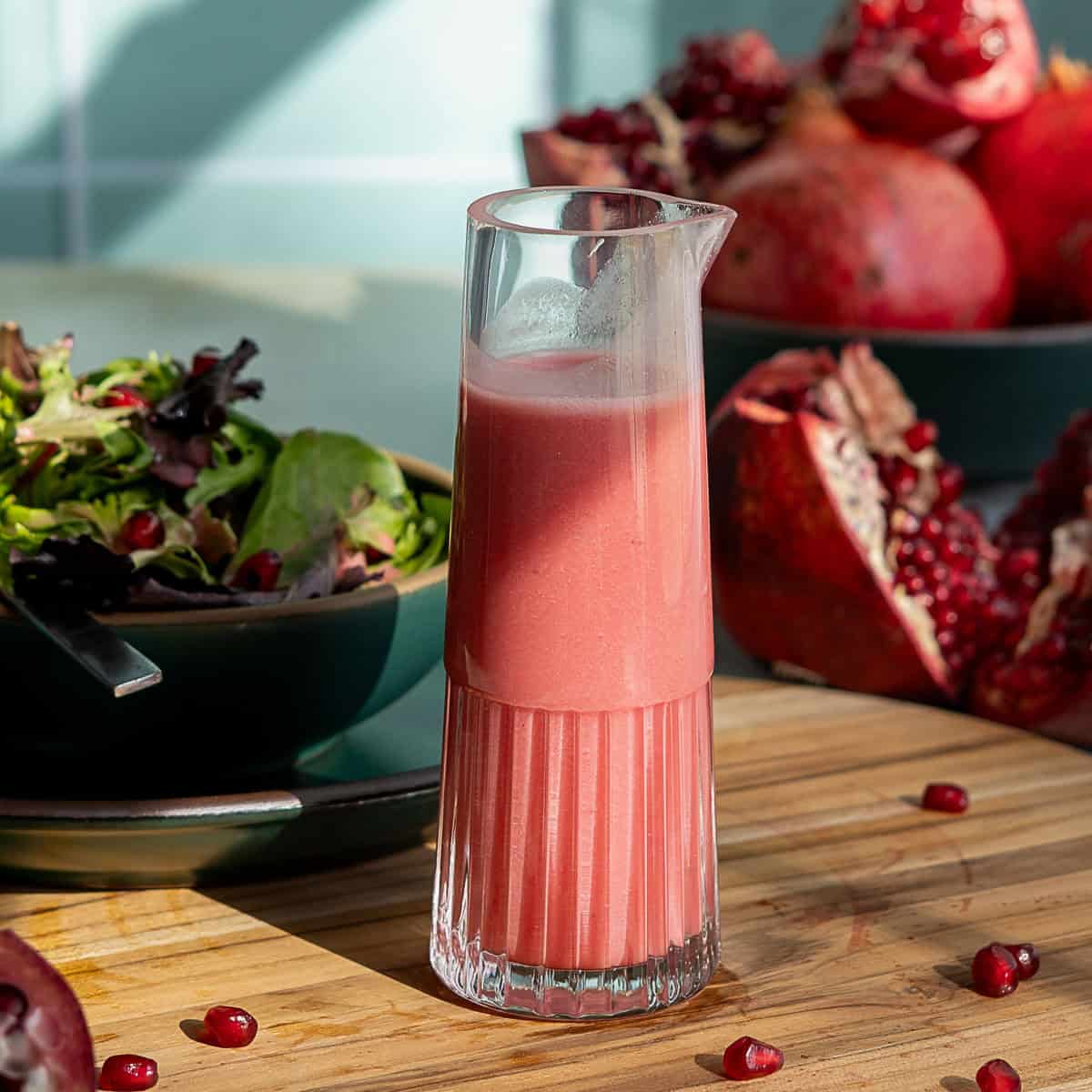
This bright and fresh pomegranate salad dressing is perfect for any winter salad! It’s perfect for any holiday meal, too!
Wanna save this recipe for later? 📬
🥬 brussels sprouts – the tiny cabbage-like MVP!
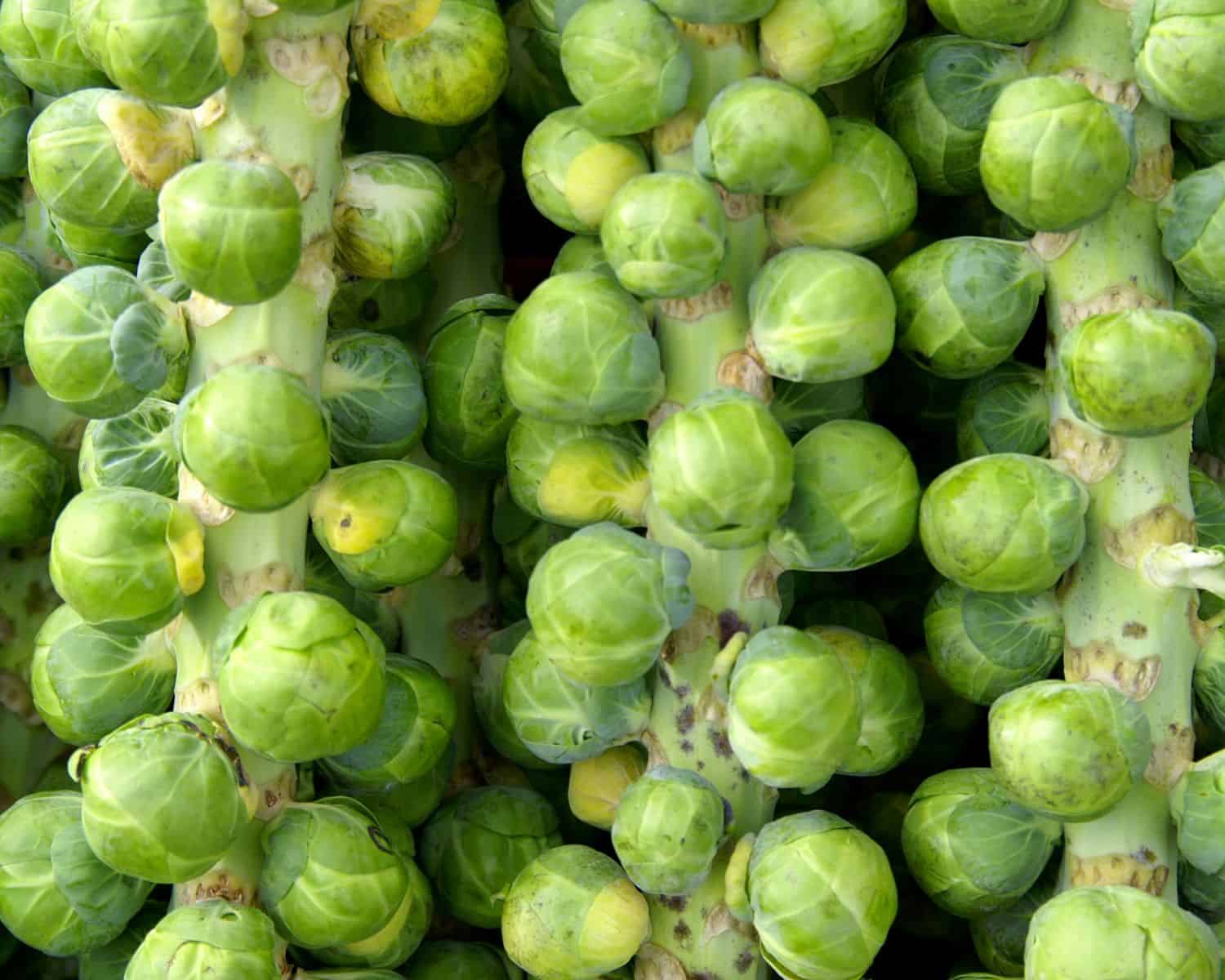
Brussels sprouts (yup, it’s “Brussels” with an “s;” they’re named after the city!) are one of winter’s most underrated vegetables. These little cabbage-like gems get a bad rap from childhood memories of overcooked mush, but when prepared right? They’re incredibly delicious with a nutty, slightly sweet flavor that’s perfect for December cooking.
how to pick sprouts: Look for tight, compact heads with bright green leaves. The smaller the sprout, the sweeter and more tender it’ll be! Avoid any with yellowing or loose leaves—that’s a sign they’re past their prime.
how to store: Keep Brussels sprouts unwashed in the refrigerator in a perforated bag or loosely wrapped in a paper towel inside a plastic bag. They’ll stay fresh for up to 10 days. Don’t wash them until you’re ready to use them—moisture speeds up spoilage.
how to prep: Rinse them under cold water, then trim off the stem end (just a thin slice!). Peel away any loose or damaged outer leaves. For roasting, cut them in half lengthwise through the stem—this gives you a flat surface that caramelizes beautifully. For salads, you can shred them thinly using a sharp knife, a food processor, or a mandolin slicer.
flavor BFFs: Brussels sprouts are incredible with bacon or pancetta, balsamic vinegar, maple syrup, garlic, lemon, parmesan, and nuts (especially walnuts or pecans). They also love being roasted with a drizzle of honey or tossed with mustard-based dressings.
recipe ideas for brussels sprouts:
shaved in salads

I love love LOVE shaving brussels sprouts for salads. They pair perfectly with hearty greens like kale and delicate greens like arugula, too! They also stand up to more acidic dressings and vinaigrettes as well!
pasta night

Pan fry sliced or shaved brussels and use them to top your favorite pasta dishes, like this ricotta pesto rotini or a tomato-based spaghetti dish!
as a side dish

Roast your sprouts and partner them with other classic sides like tomato confit for a fun grazing style approach to side dishes!
🍊 oranges, grapefruit, and lemons – sublime citrus season!
The great thing about seasonal citrus is that you can use the whole fruit in your recipes! The juice brightens salads, drinks, and sauces. The zest adds concentrated flavor to baked goods and savory dishes. Even the leftover peels can be candied or used to infuse syrups and vinegars.
pick the best citrus: Store at room temperature for up to a few days, or refrigerate whole fruits for up to 3 weeks. Once cut, wrap tightly and refrigerate for 3-4 days. You can also juice and freeze in ice cube trays for easy use later. Room temperature fruit makes more juice than cold fruit, so let it come to temperature before juicing!
how to store citrus: Store whole squash in a cool, dry place (NOT the refrigerator!) for 1-3 months depending on variety. Once cut, wrap tightly and refrigerate for up to 5 days, or you can purée and freeze the squash, too.
top flavor pairings: Citrus loves herbs like basil, mint, and rosemary. They pair beautifully with warm spices (cinnamon, cardamom), honey, ginger, and other winter fruits like cranberries and pomegranates. For savory dishes, citrus complements fennel, avocado, and olive oil!
flavor profile: Bright, tangy, and aromatic with varying levels of sweetness and bitterness. Different varieties have different intensities, but they all love warming spices.
best citrus for winter: There are SO MANY CHOICES!!! Here are a few favorites:
- blood oranges: Sweet-tart with berry notes, stunning red flesh
- grapefruit: Bold and tangy, ranges from tart to sweet depending on variety
- mandarins or clementines: Super sweet, easy to peel, perfect for snacking
- meyer lemons: Sweeter and less acidic than regular lemons, floral notes
- pomelos: Mild and sweet, less bitter than grapefruit, thick pith
- kumquats: Eat whole! Sweet skin, tart flesh, tiny and adorable

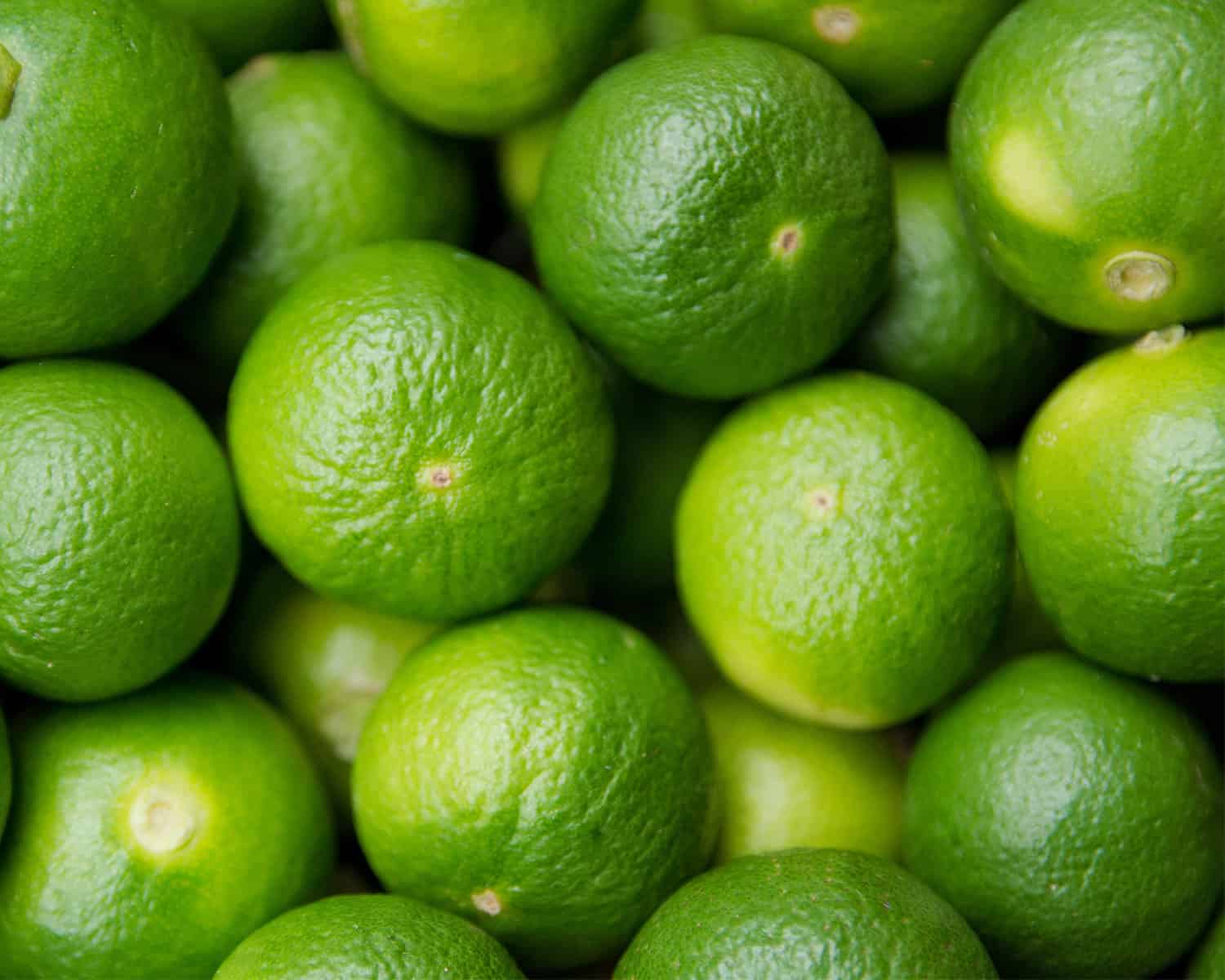
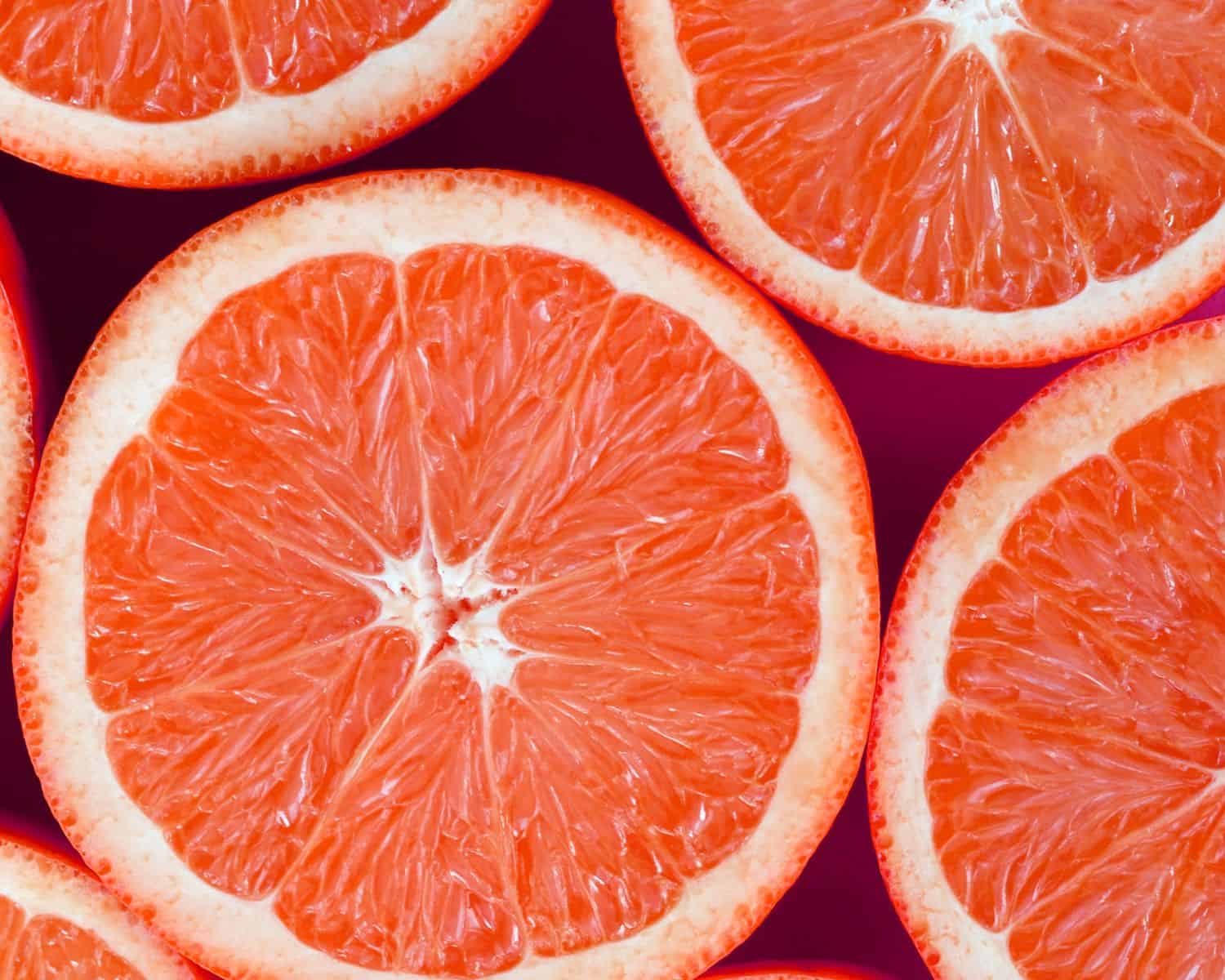
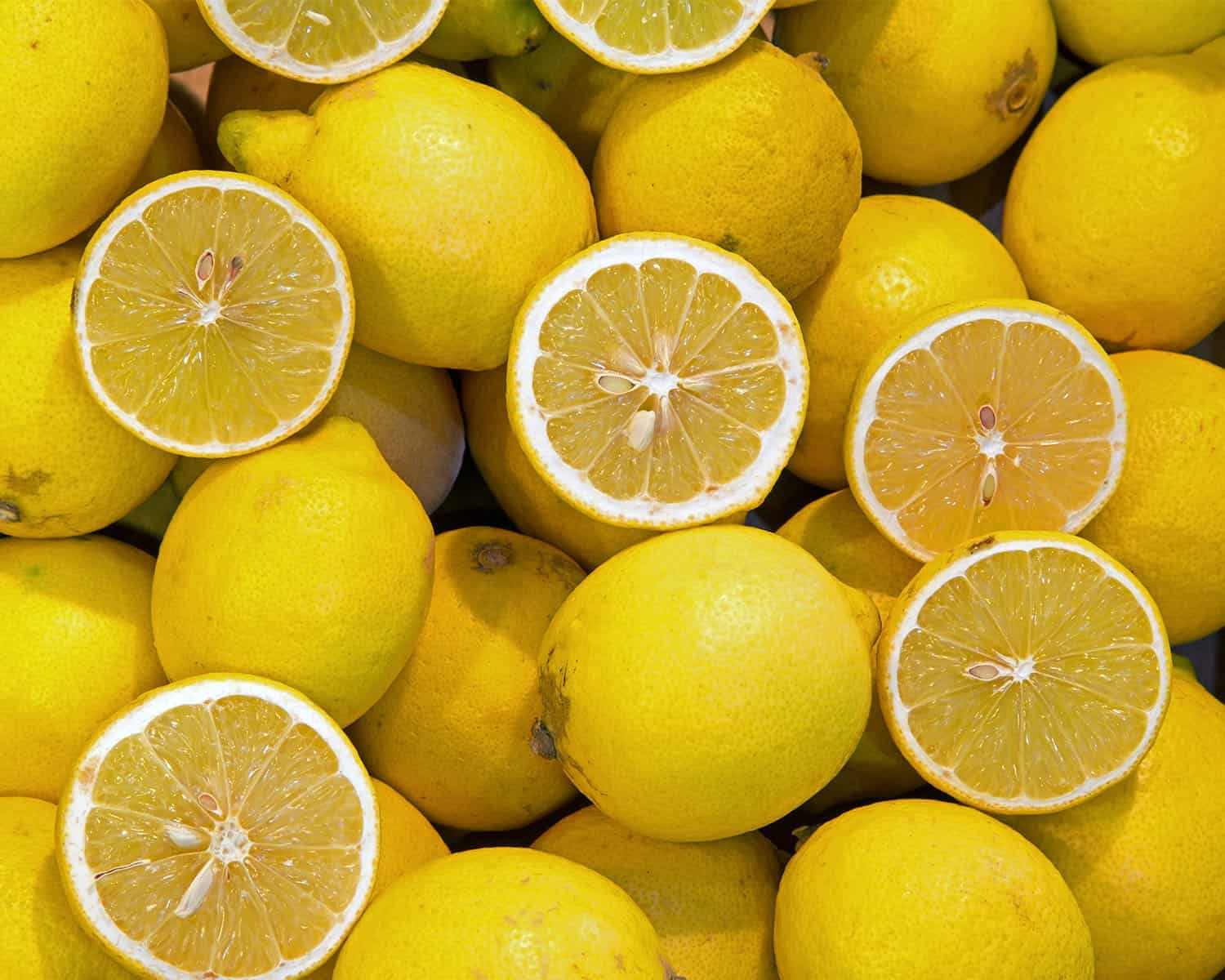
recipe ideas using winter citrus:
mocktails

Zero proof doesn’t mean zero flavor! Try mixing up some alcohol-free mules or a paloma grapefruit mocktail with fresh citrus ingredients!
in salad dressings

Fresh citrus juice is fantastic in homemade salad dressings, and seasonal citrus juices are perfect for adding unique flavor!
fresh juice

There is NO COMPARISON between store bought juice and fresh-squeezed juice, and seasonal citrus makes some of the best juice around!
🍠 winter squash – roasting season is on!
Seasonal winter squash is abundant throughout December, so pick a new-to-you variety and give it a try!
pick the best squash: Choose squash that feels heavy for its size with hard, dull skin (shiny skin means it was picked too early). The stem should be dry and intact—no green stems. Avoid soft spots or cracks.
how to store squash: Store whole squash in a cool, dry place (NOT the refrigerator!) for 1-3 months depending on variety. Once cut, wrap tightly and refrigerate for up to 5 days, or you can purée and freeze the squash, too.
prep: Most squash can be roasted whole or halved to make scooping easier. For cubed squash, use a sturdy vegetable peeler for thin-skinned varieties, or roast with skin on and peel after cooking for thick-skinned types.
top roasting tips: High heat is your friend here! Roasting at 400-450°F brings out natural sweetness and creates those caramelized edges that are basically candy. Try halving and roasting face-down at 400°F, or cube and roast at 425°F with olive oil and your favorite herbs and spices.
flavor profile: Naturally sweet with earthy, nutty undertones. Different varieties have different flavor intensities, but they all love warming spices like cinnamon, nutmeg, and cumin.
Best Squash for Roasting:
acorn: Mild, slightly sweet, perfect for stuffing
butternut: Sweet, nutty, smooth texture—the most versatile
delicata: Sweet, creamy, edible skin (no peeling needed!)
honeynut: Like a mini butternut, extra sweet and rich
kabocha: Very sweet, dry, fluffy texture like pumpkin

recipe ideas using fall squash:
top salads

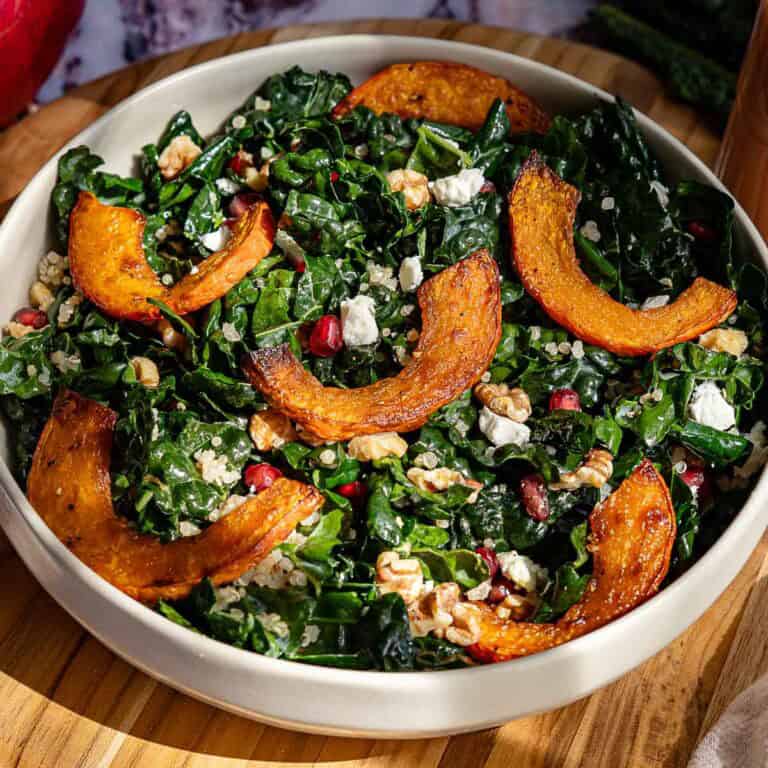
Seasonal squash is ready to take center stage in any salad, from side salads to main dish salads for a lighter alternative this holiday season!
on crostini

Spread some toasty crostini with creamy whipped ricotta, then put your roasted autumn squash on top!
seasonal pizzas

Prefer something a little more creative? Oven-roasted squash is also absolutely perfect on pizza crust!
💬 Let me know in the comments what December produce you’re looking forward to!
December means winter has indeed arrived, and the cold temperatures make the perfect opportunity to use your recipes to warm you up! Dishes like soups, pot-pies, and casseroles are all wonderful choices to warm up on a cold winter night, and the produce aisle is stocked with options to choose from!
Are there any other December ingredients that are your favorite fruits or vegetables? Let me know in the comments below, and I’ll add on to this post! 🥰